
Block Paving Driveway Care Through the Irish Winter
1 November 2026
Share
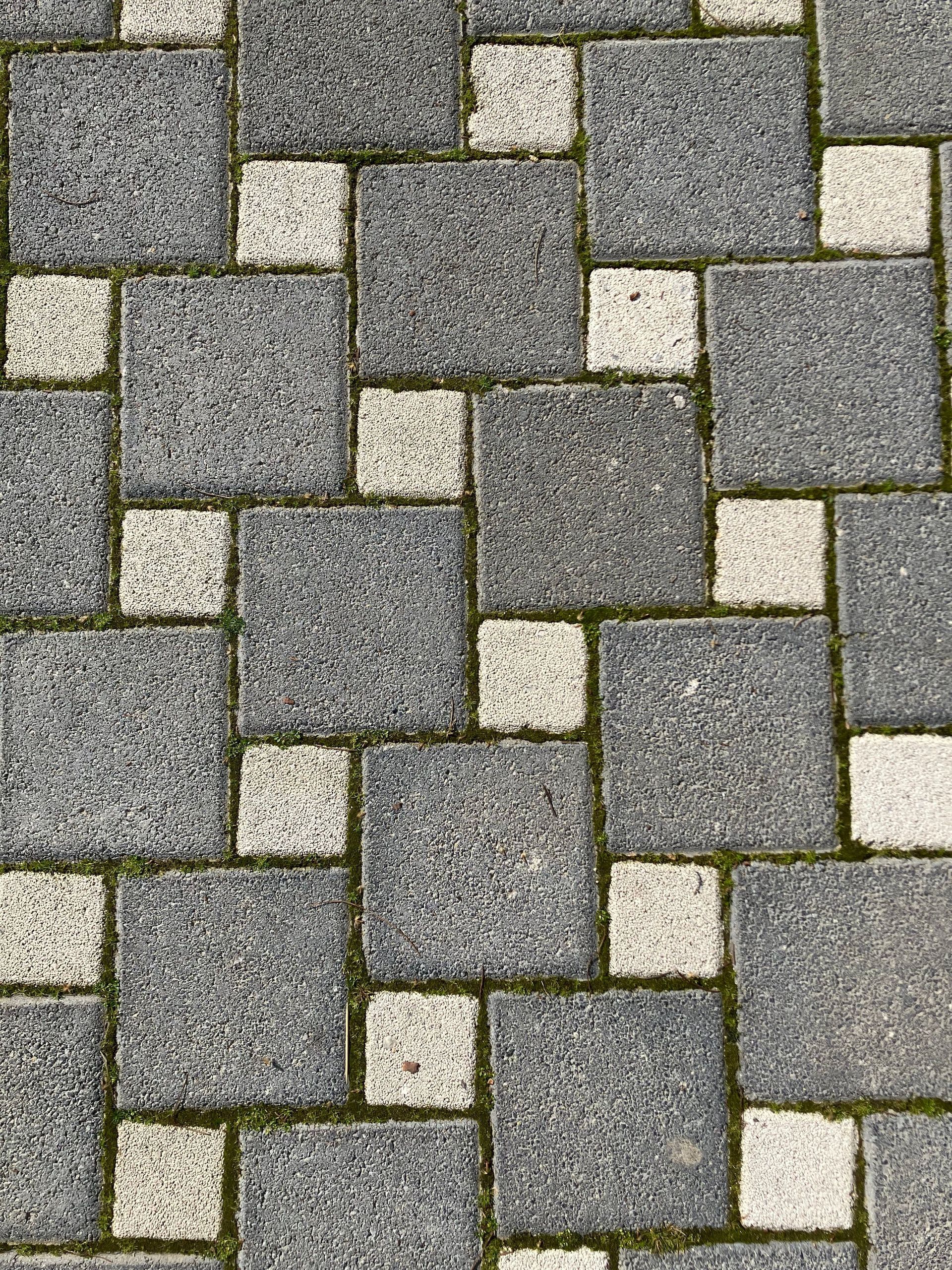
Why Driveways Need Extra Care in Winter
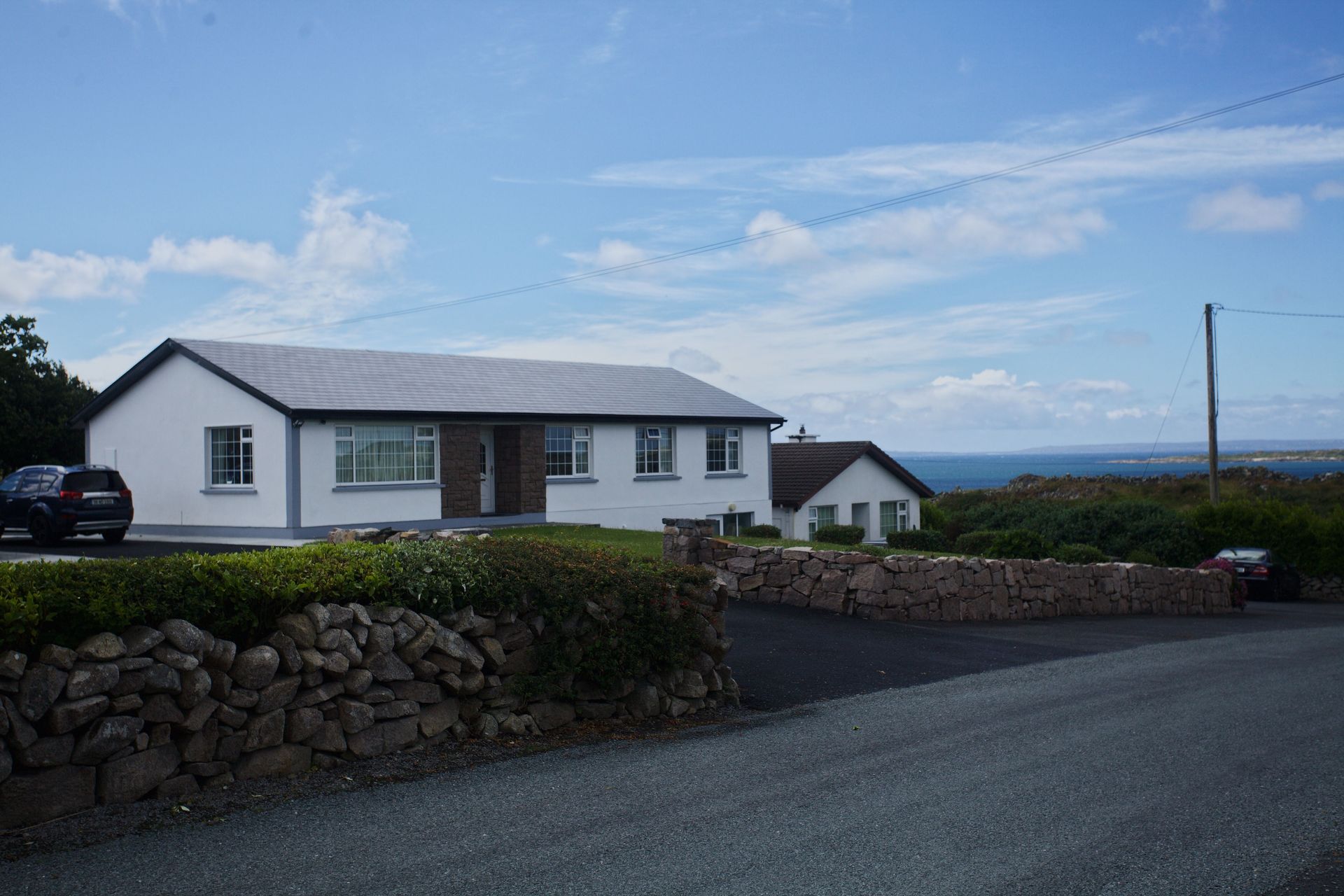
A block paving driveway is one of the most durable and attractive surfaces for an Irish home. When installed on a properly prepared base, it can carry daily vehicle traffic for decades. Winter, however, is when most driveway problems begin. Constant rain, falling leaves, freeze-thaw cycles and the occasional use of de-icing salt all put pressure on the surface, the joints and the sub-base beneath.
Across County Kildare, homes in estates and rural settings alike rely on their driveways every day. Small issues such as weeds in the joints, moss build-up or a few loose blocks are easy and inexpensive to deal with in autumn. Left over winter, they can develop into sunken areas, wobbling blocks and drainage problems that cost far more to repair. This guide explains how to keep a block paving driveway in good condition through the colder months.
Clear Leaves and Debris Regularly
Fallen leaves are the first winter challenge. When leaves are left lying on a driveway, they hold moisture, break down into organic matter and settle into the joints. This creates the perfect conditions for moss, algae and weed seeds to take hold. Wet leaves also make the surface slippery for both cars and pedestrians.
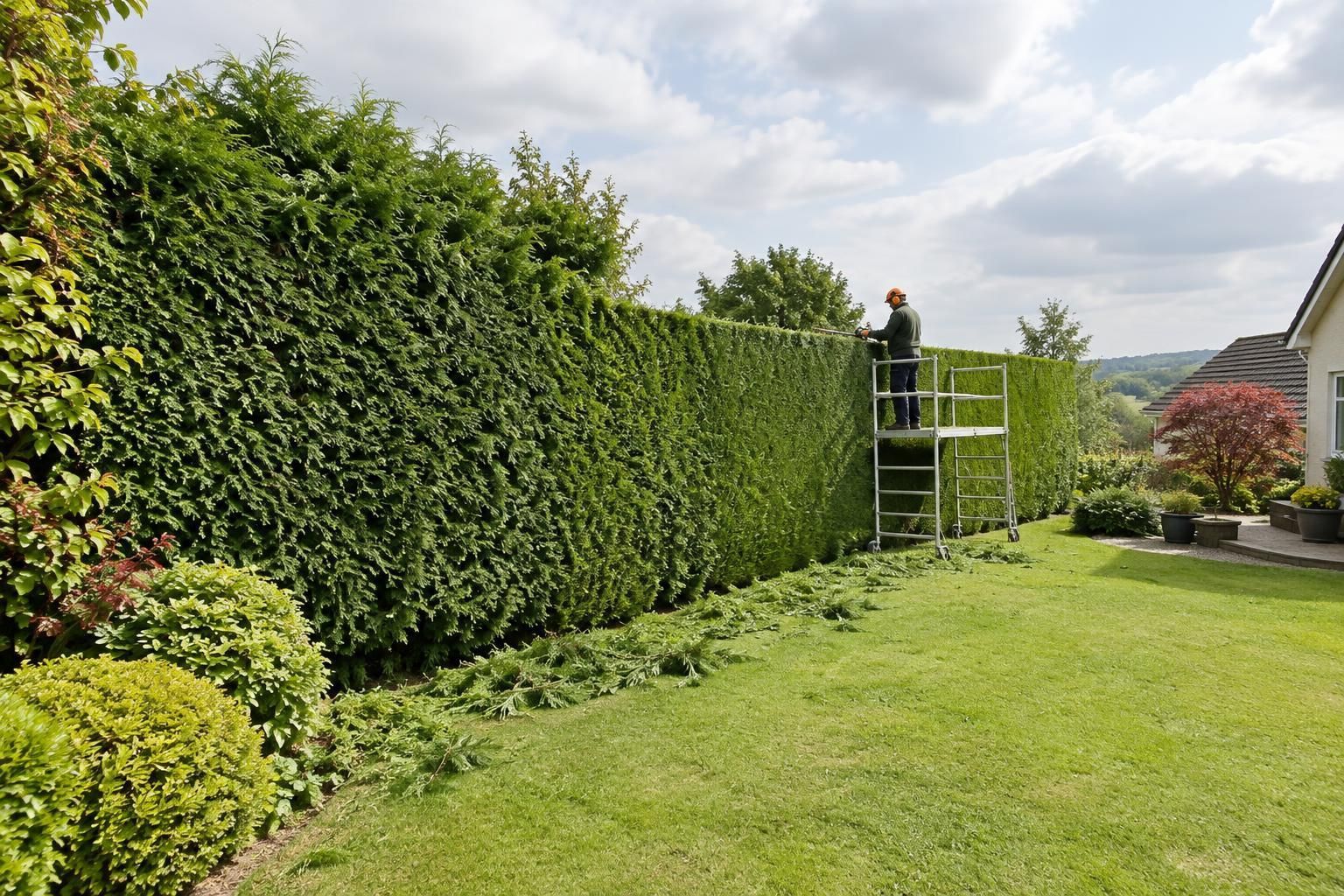
Sweep the driveway with a stiff outdoor brush once or twice a week during autumn, especially if you have trees nearby. A leaf blower can speed up the job on larger driveways. Keeping trees and hedges near the driveway well maintained also reduces the amount of debris that falls. Our tree surgery and hedge trimming services can help keep overhanging growth under control.
Keep the Joint Sand Topped Up
The kiln-dried sand between each block is far more important than it looks. It locks the blocks together so that loads from vehicles are spread across the whole surface rather than concentrated on individual blocks. When joint sand is washed out by rain or removed by pressure washing, blocks can move, rock and eventually sink.
Inspect the joints before winter. If the sand has dropped well below the surface of the blocks, brush fresh kiln-dried sand into the gaps on a dry day and work it in thoroughly. On driveways with persistent weed or erosion problems, a stabilising sealant applied after re-sanding can help hold the joints in place.
Careful Pressure Washing
Pressure washing is an effective way to remove moss and grime, but it must be done carefully. Holding the lance too close or using a narrow jet can blast the sand out of the joints and damage the surface of the blocks. Use a wide fan or a rotary surface cleaner attachment, keep the nozzle at a safe distance and always re-sand the joints afterwards.
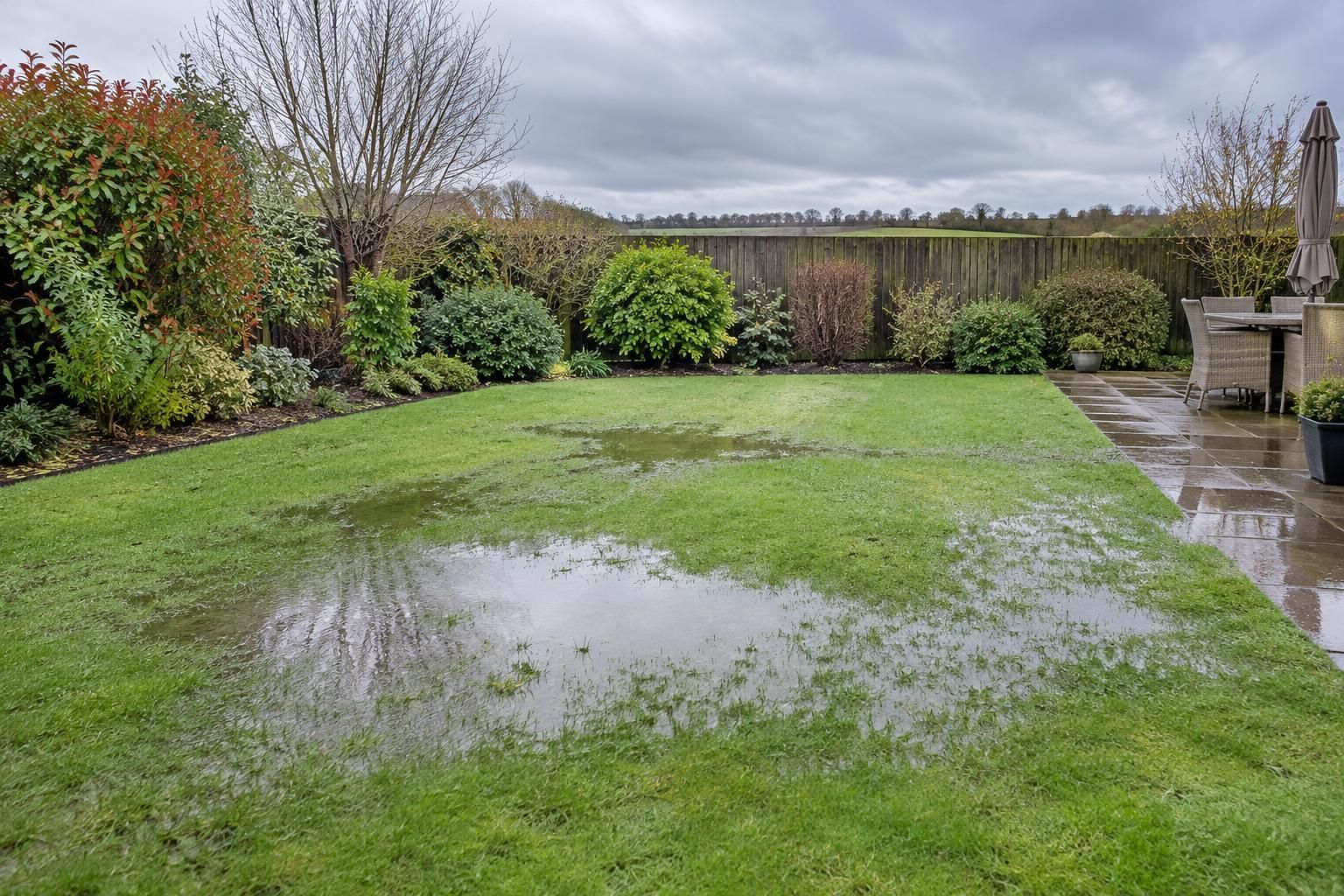
Check Drainage Before Heavy Rain
Good drainage is essential for any driveway in Ireland. Most driveways are laid with a gentle fall towards a channel drain, a gully or a soakaway. Before winter, clear leaves and silt from all drainage channels and gratings so water can escape freely. Blocked drains cause water to pond on the surface, which softens the sub-base and can lead to sinking.
Watch your driveway during heavy rain. If puddles consistently form in the same places, it may indicate that part of the surface has settled or that the fall is not sufficient. Permeable block paving, which allows water to drain through specially designed joints into the sub-base, is an increasingly popular option and is often required for new driveways under planning rules to reduce surface water run-off.
Frost, Ice and De-Icing
Freeze-thaw cycles occur when water in the joints and the top of the blocks freezes and expands, then thaws again. Over many cycles, this can loosen joints and cause surface spalling on lower-quality blocks. Keeping joints full and drainage working well is the best protection against frost damage.
When ice forms, use de-icing products with care. Standard rock salt is effective but can encourage efflorescence and, over time, may affect the surface of some concrete blocks. Use it sparingly and sweep away any residue once the ice has gone. Alternatives such as calcium magnesium acetate are gentler on paving. Avoid using metal shovels or ice picks, which can chip and scratch the blocks.
Deal With Oil and Stains Promptly
Oil drips from vehicles soak into concrete blocks and become harder to remove the longer they are left. Blot fresh spills with an absorbent material such as cat litter or sawdust, then treat the area with a specialist paving oil remover. Rust marks from metal furniture or tools and tyre marks can also be treated with dedicated cleaners.
Signs Your Driveway Needs Repair
Some problems go beyond routine maintenance. Look out for blocks that rock when driven over, areas that have sunk noticeably, ruts where car wheels sit, broken or cracked blocks, and edges that have spread outwards. These usually indicate an issue with the sub-base or the edge restraints.
The good news is that block paving is very repairable. Affected areas can be lifted, the base re-compacted and levelled, and the original blocks relaid, so the repair blends in with the rest of the driveway. Tackling these issues early prevents them from spreading.
Professional Driveway Paving and Repairs in Kildare
MD Tree & Landscaping installs and repairs block paving driveways across County Kildare, built on deep, well-compacted foundations designed for Irish ground conditions. We also lay patios and garden paving and provide full landscaping services. Whether your driveway needs a clean, a re-sand, a repair or a complete replacement, our team can help. Contact us today for a free, no-obligation quote.
Recent Posts
Why Driveways Need Extra Care in Winter
A block paving driveway is one of the most durable and attractive surfaces for an Irish home. When installed on a properly prepared base, it can carry daily vehicle traffic for decades. Winter, however, is when most driveway problems begin. Constant rain, falling leaves, freeze-thaw cycles and the occasional use of de-icing salt all put pressure on the surface, the joints and the sub-base beneath.
Across County Kildare, homes in estates and rural settings alike rely on their driveways every day. Small issues such as weeds in the joints, moss build-up or a few loose blocks are easy and inexpensive to deal with in autumn. Left over winter, they can develop into sunken areas, wobbling blocks and drainage problems that cost far more to repair. This guide explains how to keep a block paving driveway in good condition through the colder months.
Clear Leaves and Debris Regularly
Fallen leaves are the first winter challenge. When leaves are left lying on a driveway, they hold moisture, break down into organic matter and settle into the joints. This creates the perfect conditions for moss, algae and weed seeds to take hold. Wet leaves also make the surface slippery for both cars and pedestrians.
Sweep the driveway with a stiff outdoor brush once or twice a week during autumn, especially if you have trees nearby. A leaf blower can speed up the job on larger driveways. Keeping trees and hedges near the driveway well maintained also reduces the amount of debris that falls. Our tree surgery and hedge trimming services can help keep overhanging growth under control.
Keep the Joint Sand Topped Up
The kiln-dried sand between each block is far more important than it looks. It locks the blocks together so that loads from vehicles are spread across the whole surface rather than concentrated on individual blocks. When joint sand is washed out by rain or removed by pressure washing, blocks can move, rock and eventually sink.
Inspect the joints before winter. If the sand has dropped well below the surface of the blocks, brush fresh kiln-dried sand into the gaps on a dry day and work it in thoroughly. On driveways with persistent weed or erosion problems, a stabilising sealant applied after re-sanding can help hold the joints in place.
Careful Pressure Washing
Pressure washing is an effective way to remove moss and grime, but it must be done carefully. Holding the lance too close or using a narrow jet can blast the sand out of the joints and damage the surface of the blocks. Use a wide fan or a rotary surface cleaner attachment, keep the nozzle at a safe distance and always re-sand the joints afterwards.
Check Drainage Before Heavy Rain
Good drainage is essential for any driveway in Ireland. Most driveways are laid with a gentle fall towards a channel drain, a gully or a soakaway. Before winter, clear leaves and silt from all drainage channels and gratings so water can escape freely. Blocked drains cause water to pond on the surface, which softens the sub-base and can lead to sinking.
Watch your driveway during heavy rain. If puddles consistently form in the same places, it may indicate that part of the surface has settled or that the fall is not sufficient. Permeable block paving, which allows water to drain through specially designed joints into the sub-base, is an increasingly popular option and is often required for new driveways under planning rules to reduce surface water run-off.
Frost, Ice and De-Icing
Freeze-thaw cycles occur when water in the joints and the top of the blocks freezes and expands, then thaws again. Over many cycles, this can loosen joints and cause surface spalling on lower-quality blocks. Keeping joints full and drainage working well is the best protection against frost damage.
When ice forms, use de-icing products with care. Standard rock salt is effective but can encourage efflorescence and, over time, may affect the surface of some concrete blocks. Use it sparingly and sweep away any residue once the ice has gone. Alternatives such as calcium magnesium acetate are gentler on paving. Avoid using metal shovels or ice picks, which can chip and scratch the blocks.
Deal With Oil and Stains Promptly
Oil drips from vehicles soak into concrete blocks and become harder to remove the longer they are left. Blot fresh spills with an absorbent material such as cat litter or sawdust, then treat the area with a specialist paving oil remover. Rust marks from metal furniture or tools and tyre marks can also be treated with dedicated cleaners.
Signs Your Driveway Needs Repair
Some problems go beyond routine maintenance. Look out for blocks that rock when driven over, areas that have sunk noticeably, ruts where car wheels sit, broken or cracked blocks, and edges that have spread outwards. These usually indicate an issue with the sub-base or the edge restraints.
The good news is that block paving is very repairable. Affected areas can be lifted, the base re-compacted and levelled, and the original blocks relaid, so the repair blends in with the rest of the driveway. Tackling these issues early prevents them from spreading.
Professional Driveway Paving and Repairs in Kildare
MD Tree & Landscaping installs and repairs block paving driveways across County Kildare, built on deep, well-compacted foundations designed for Irish ground conditions. We also lay patios and garden paving and provide full landscaping services. Whether your driveway needs a clean, a re-sand, a repair or a complete replacement, our team can help. Contact us today for a free, no-obligation quote.