The Tree Removal Process From Survey to Stump Grinding
1 November 2026
Share
When Tree Removal Becomes Necessary
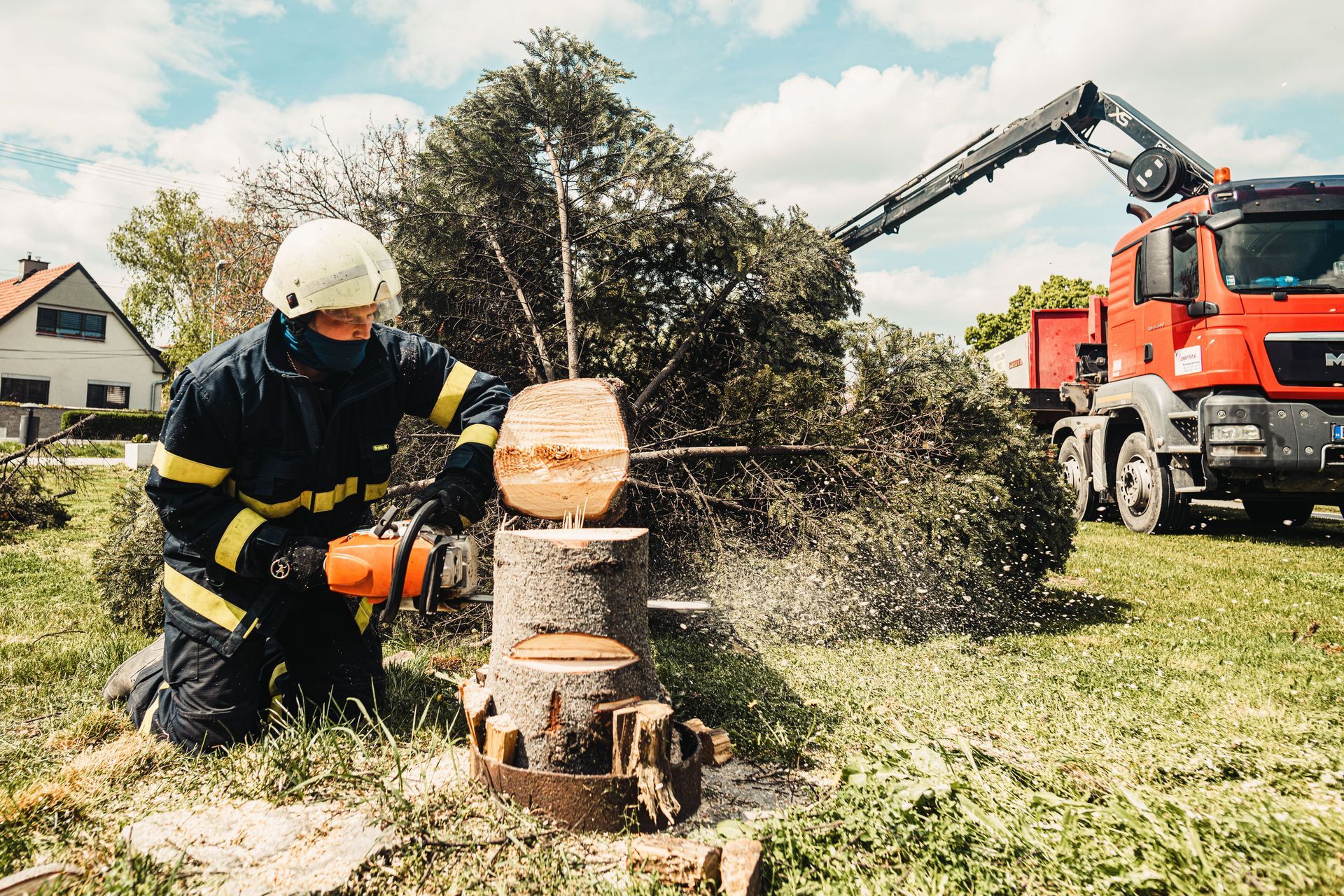
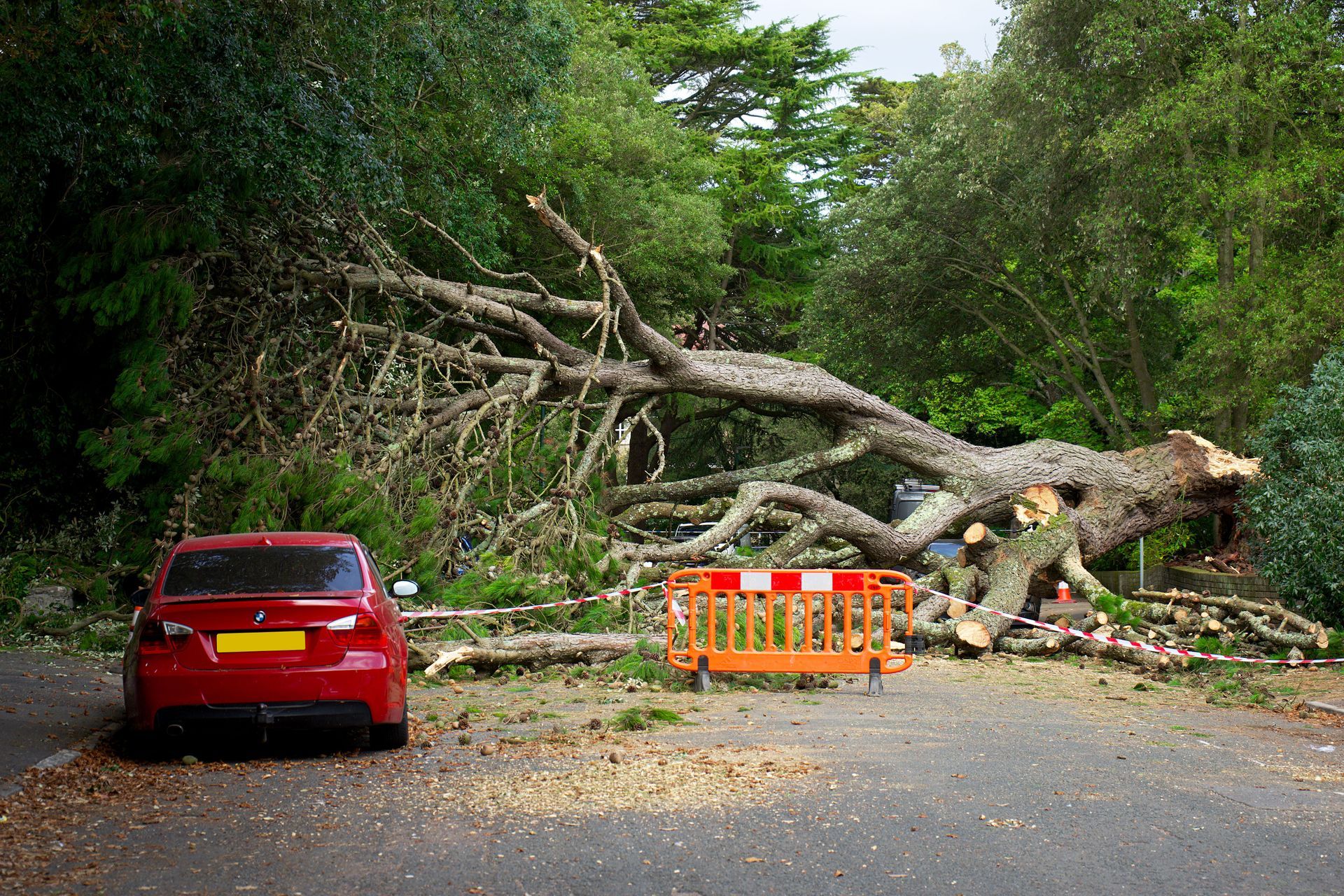
Removing a tree is never a decision to take lightly. Mature trees add character, shelter and value to a property, and they support a wide range of wildlife. There are, however, many situations where removal is the safest or most practical option. A tree may be dead or dying, structurally unsound after storm damage, infected with a serious disease, or simply growing in the wrong place, too close to a house, wall, driveway or drain.
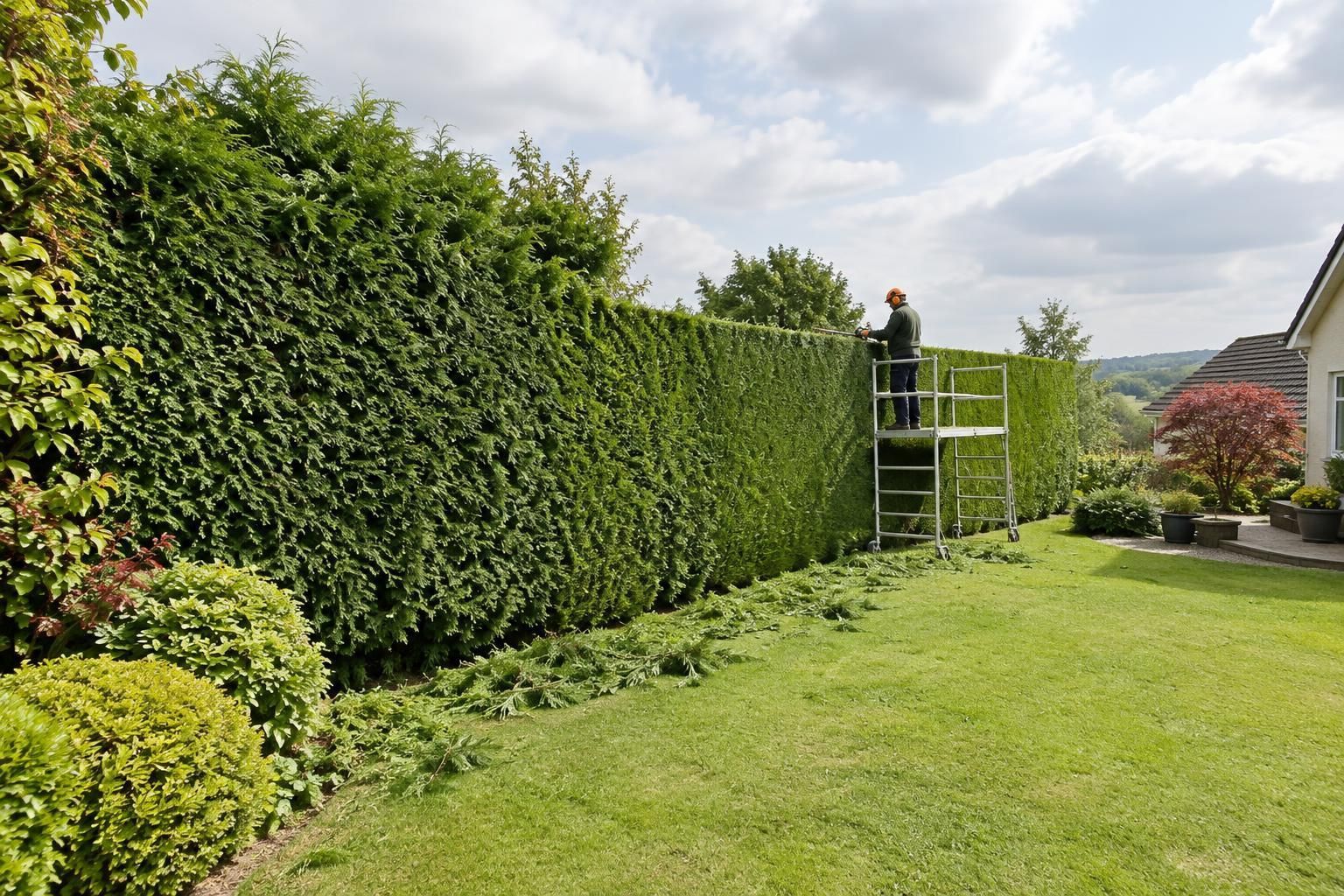
Ash dieback, caused by the fungus Hymenoscyphus fraxineus, has affected ash trees across Ireland, including many in County Kildare. Infected ash trees become brittle and can shed large branches or fail entirely, so trees near homes, roads and public spaces often need to be assessed and removed. Large conifers such as Leyland cypress planted decades ago can also outgrow suburban gardens, blocking light and placing strain on foundations and boundary walls.
Whatever the reason, understanding the tree removal process helps homeowners know what to expect and how to choose the right contractor. Here is how a professional tree removal job typically runs from the first visit to the final clean-up.
1. The Initial Site Survey
Every job begins with a site visit. A tree surgeon will assess the species, height, condition and lean of the tree, along with what surrounds it. Nearby buildings, fences, glasshouses, overhead cables, neighbouring properties, roads and underground services all affect how the tree can be safely taken down.
The survey also considers access. Narrow side passages, steep gardens or soft lawns may mean equipment needs to be carried in by hand or ground protection laid down. At this stage, the contractor should explain the recommended method, whether removal is genuinely necessary or whether pruning could be an alternative, and provide a clear written quote.
2. Checking Permissions and Protections
Before any felling work begins, it is important to confirm that the tree can legally be removed. Trees protected by a Tree Preservation Order, or located within an Architectural Conservation Area, may require consent from Kildare County Council. Under the Forestry Act 2014, most felling in Ireland requires a licence, but there are exemptions, including trees within 30 metres of a building and trees in urban areas. A professional contractor can advise on which rules apply to your property.
Wildlife also needs to be considered. If a tree contains active bird nests or is used by bats, which are protected under Irish law, work may need to be delayed or carried out under specialist guidance.
3. Choosing the Removal Method
There are two main ways to remove a tree, and the right one depends entirely on the available space.
Straight Felling
Where there is enough clear space, a tree can be felled in one piece. The tree surgeon cuts a precise notch, known as a gob or face cut, on the side facing the intended direction of fall, followed by a back cut that leaves a hinge of wood to guide the tree down. This method is quick but requires an open area at least as long as the height of the tree, which is rare in most suburban gardens.
Sectional Dismantling
In most domestic gardens, trees are removed in sections. A climber ascends the tree using ropes and a harness, removing branches first and then cutting the trunk down in manageable pieces. Heavy sections are lowered to the ground under control using rigging ropes and lowering devices, protecting buildings, fences, lawns and plants below. This method is slower but allows even very large trees to be removed safely from tight spaces.
4. Safety on Site
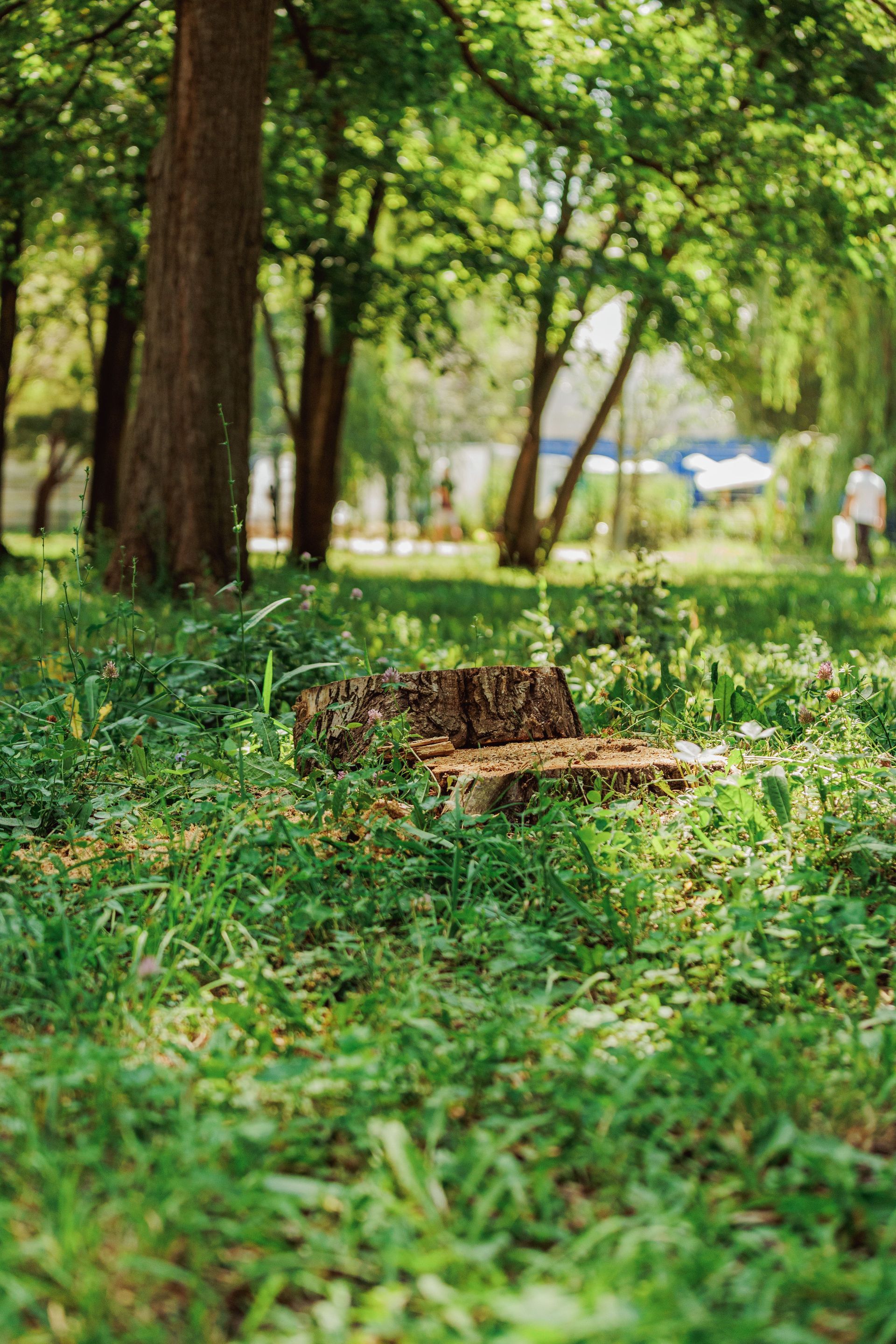
Tree removal is high-risk work. A professional team will set up an exclusion zone around the work area, use chainsaw-protective clothing, helmets and eye and ear protection, and follow a clear plan for how each section will be cut and lowered. Communication between the climber and the ground crew is essential throughout. Contractors should hold full public liability insurance, and homeowners are entitled to ask for evidence of cover before work starts.
5. Clearing Branches and Timber
As branches come down, they are usually fed through a wood chipper on site. The resulting chips can be removed or left for the homeowner to use as mulch on borders and paths. Trunk sections can be cut into logs for firewood if wanted. Hardwoods such as ash, oak and beech make excellent firewood once seasoned, while conifer wood burns quickly and is best kept for kindling.
6. Stump Grinding and Root Removal
Once the tree is down, the stump remains. Leaving a stump can encourage fungal growth, attract pests and create a trip hazard, and some species will send up new shoots from the roots. Stump grinding is the most effective way to deal with it. A specialist machine grinds the stump and main surface roots down below ground level, usually to a depth of 150 to 300 millimetres.
The hole is then backfilled with the grindings and topsoil, ready for new turf, planting or paving. Stump grinding causes far less disruption than digging out roots by hand or with a digger, and it allows the area to be reused quickly.
7. Final Clean-Up and Replanting
A reputable tree surgeon leaves the site as clean as they found it. Sawdust, small debris and leaves should be raked and removed, and paths and driveways swept. Many homeowners use the opportunity to replant with a more suitable tree, such as rowan, birch, crab apple or hawthorn, which suit smaller Irish gardens and support local wildlife. Our landscaping team can help plan and plant the space.
Professional Tree Removal Across Kildare
Safe tree removal relies on careful planning, the right equipment and an experienced team. MD Tree & Landscaping provides full tree removal, tree cutting and stump grinding for homes, farms and businesses across County Kildare and surrounding areas. We are fully insured, tidy on every job and happy to advise on whether a tree can be saved through pruning. Contact us today for a free site survey and quote.
Recent Posts
When Tree Removal Becomes Necessary
Removing a tree is never a decision to take lightly. Mature trees add character, shelter and value to a property, and they support a wide range of wildlife. There are, however, many situations where removal is the safest or most practical option. A tree may be dead or dying, structurally unsound after storm damage, infected with a serious disease, or simply growing in the wrong place, too close to a house, wall, driveway or drain.
Ash dieback, caused by the fungus Hymenoscyphus fraxineus, has affected ash trees across Ireland, including many in County Kildare. Infected ash trees become brittle and can shed large branches or fail entirely, so trees near homes, roads and public spaces often need to be assessed and removed. Large conifers such as Leyland cypress planted decades ago can also outgrow suburban gardens, blocking light and placing strain on foundations and boundary walls.
Whatever the reason, understanding the tree removal process helps homeowners know what to expect and how to choose the right contractor. Here is how a professional tree removal job typically runs from the first visit to the final clean-up.
1. The Initial Site Survey
Every job begins with a site visit. A tree surgeon will assess the species, height, condition and lean of the tree, along with what surrounds it. Nearby buildings, fences, glasshouses, overhead cables, neighbouring properties, roads and underground services all affect how the tree can be safely taken down.
The survey also considers access. Narrow side passages, steep gardens or soft lawns may mean equipment needs to be carried in by hand or ground protection laid down. At this stage, the contractor should explain the recommended method, whether removal is genuinely necessary or whether pruning could be an alternative, and provide a clear written quote.
2. Checking Permissions and Protections
Before any felling work begins, it is important to confirm that the tree can legally be removed. Trees protected by a Tree Preservation Order, or located within an Architectural Conservation Area, may require consent from Kildare County Council. Under the Forestry Act 2014, most felling in Ireland requires a licence, but there are exemptions, including trees within 30 metres of a building and trees in urban areas. A professional contractor can advise on which rules apply to your property.
Wildlife also needs to be considered. If a tree contains active bird nests or is used by bats, which are protected under Irish law, work may need to be delayed or carried out under specialist guidance.
3. Choosing the Removal Method
There are two main ways to remove a tree, and the right one depends entirely on the available space.
Straight Felling
Where there is enough clear space, a tree can be felled in one piece. The tree surgeon cuts a precise notch, known as a gob or face cut, on the side facing the intended direction of fall, followed by a back cut that leaves a hinge of wood to guide the tree down. This method is quick but requires an open area at least as long as the height of the tree, which is rare in most suburban gardens.
Sectional Dismantling
In most domestic gardens, trees are removed in sections. A climber ascends the tree using ropes and a harness, removing branches first and then cutting the trunk down in manageable pieces. Heavy sections are lowered to the ground under control using rigging ropes and lowering devices, protecting buildings, fences, lawns and plants below. This method is slower but allows even very large trees to be removed safely from tight spaces.
4. Safety on Site
Tree removal is high-risk work. A professional team will set up an exclusion zone around the work area, use chainsaw-protective clothing, helmets and eye and ear protection, and follow a clear plan for how each section will be cut and lowered. Communication between the climber and the ground crew is essential throughout. Contractors should hold full public liability insurance, and homeowners are entitled to ask for evidence of cover before work starts.
5. Clearing Branches and Timber
As branches come down, they are usually fed through a wood chipper on site. The resulting chips can be removed or left for the homeowner to use as mulch on borders and paths. Trunk sections can be cut into logs for firewood if wanted. Hardwoods such as ash, oak and beech make excellent firewood once seasoned, while conifer wood burns quickly and is best kept for kindling.
6. Stump Grinding and Root Removal
Once the tree is down, the stump remains. Leaving a stump can encourage fungal growth, attract pests and create a trip hazard, and some species will send up new shoots from the roots. Stump grinding is the most effective way to deal with it. A specialist machine grinds the stump and main surface roots down below ground level, usually to a depth of 150 to 300 millimetres.
The hole is then backfilled with the grindings and topsoil, ready for new turf, planting or paving. Stump grinding causes far less disruption than digging out roots by hand or with a digger, and it allows the area to be reused quickly.
7. Final Clean-Up and Replanting
A reputable tree surgeon leaves the site as clean as they found it. Sawdust, small debris and leaves should be raked and removed, and paths and driveways swept. Many homeowners use the opportunity to replant with a more suitable tree, such as rowan, birch, crab apple or hawthorn, which suit smaller Irish gardens and support local wildlife. Our landscaping team can help plan and plant the space.
Professional Tree Removal Across Kildare
Safe tree removal relies on careful planning, the right equipment and an experienced team. MD Tree & Landscaping provides full tree removal, tree cutting and stump grinding for homes, farms and businesses across County Kildare and surrounding areas. We are fully insured, tidy on every job and happy to advise on whether a tree can be saved through pruning. Contact us today for a free site survey and quote.