Storm Damaged Trees and What to Do Next in Kildare
2 November 2026
Share
How to Deal With Storm Damaged Trees Safely
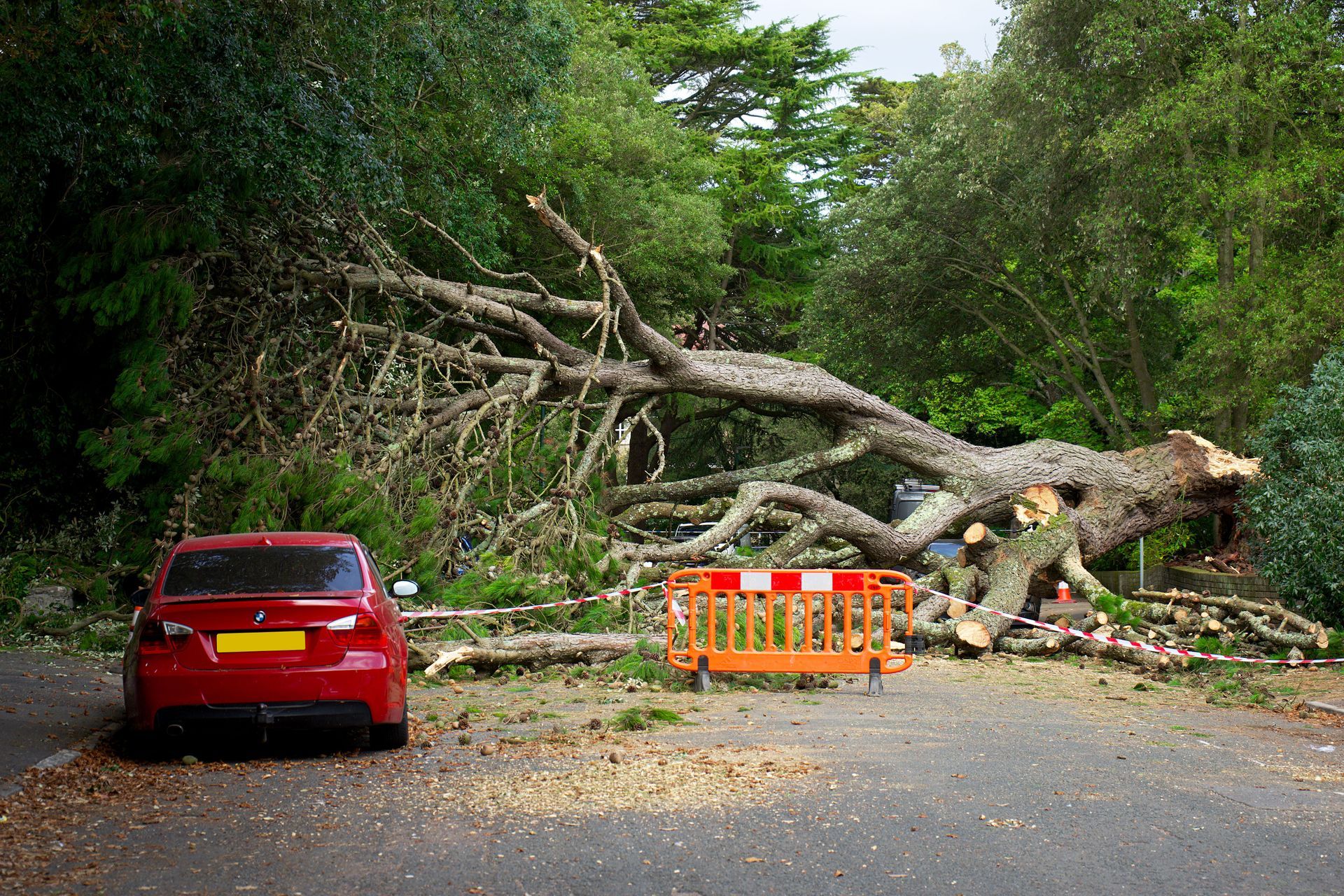
With storm damaged trees, keep people, pets and cars well away, stay clear of any branch touching a power line, and photograph the damage. Do not climb or cut under tension yourself. Have a qualified tree surgeon assess the tree, then decide whether it can be made safe by pruning or needs removal. This applies across Kildare.
This article explains the warning signs to look for after high winds, what you can safely do yourself, how a professional assessment by our tree surgery team works, what affects the cost of the work and how to reduce the risk before the next storm arrives.
Why autumn and winter storms damage trees
Most of the strong winds that reach Ireland arrive between October and March, when Atlantic low-pressure systems track across the country. Met Éireann notes that trees are more vulnerable when still in leaf, which is why an early named storm in October or November can bring down limbs that would survive the same gust in January. Ground saturated by weeks of rain also loosens the root plate, so a tree can lean or topple without the trunk breaking at all.
Irish gardens commonly include many mature ash, sycamore, beech, conifers and leylandii. Ash trees affected by ash dieback are a particular concern, because the disease makes the wood brittle and branches can snap in moderate winds. Fast-growing conifers with a single heavy crown and shallow roots are also prone to wind throw on exposed sites, such as the open ground around the Curragh.
Damage is not always obvious on the morning after a storm. A tree can be weakened by one gale and then fail in the next, even when the second wind is lighter. That is why a check after every significant storm is worthwhile, not just after the ones that make the news. You can see the current warning levels and what each status means on the Met Éireann weather warnings page.
Signs of a Dangerous Tree After High Winds
Walk around the garden in daylight once the wind has dropped and look at each tree from a safe distance. Use binoculars for the upper crown if you have them. The following signs suggest a dangerous tree that needs professional attention:
- Hanging branches , sometimes called hangers, caught in the crown or resting on lower limbs, which can fall without warning.
- Cracks or splits in the trunk or at the point where large limbs join it, especially in trees with two or more main stems.
- A new lean , particularly if the soil on the opposite side has lifted, cracked or formed a mound over the roots.
- Exposed or snapped roots , or a root plate that moves when the tree sways.
- Bark stripped away in long sections, which exposes the wood to decay.
- Fungal brackets or soft, crumbling wood at the base, which point to internal decay that a storm may have exposed.
- Branches touching wires , roofs, gutters or boundary walls.
Any one of these signs is a reason to keep the area clear and arrange an inspection. A tree that has lost a large limb on one side may also be unbalanced, which increases the strain on the remaining structure.
What to Do Straight Away With Storm Damaged Trees
The first hours after a storm are when most injuries happen, often during well-meant clean-up attempts. Follow these steps in order:
- Keep children, pets and visitors out of the area beneath and around the tree. If a branch has fallen across a path or driveway, move cars only if it is safe to reach them.
- Treat any branch in contact with an overhead cable as live. Stay well back and report it to ESB Networks or the relevant network operator, who must make the line safe before any tree work begins.
- Take clear photographs of the tree, the damage and anything it has struck. Your home insurer will usually ask for these if you make a claim.
- Clear only small, loose twigs and branches lying on open ground. Leave anything large, hung up in the crown, or under tension.
- Contact a tree surgeon to assess the tree before any cutting starts.
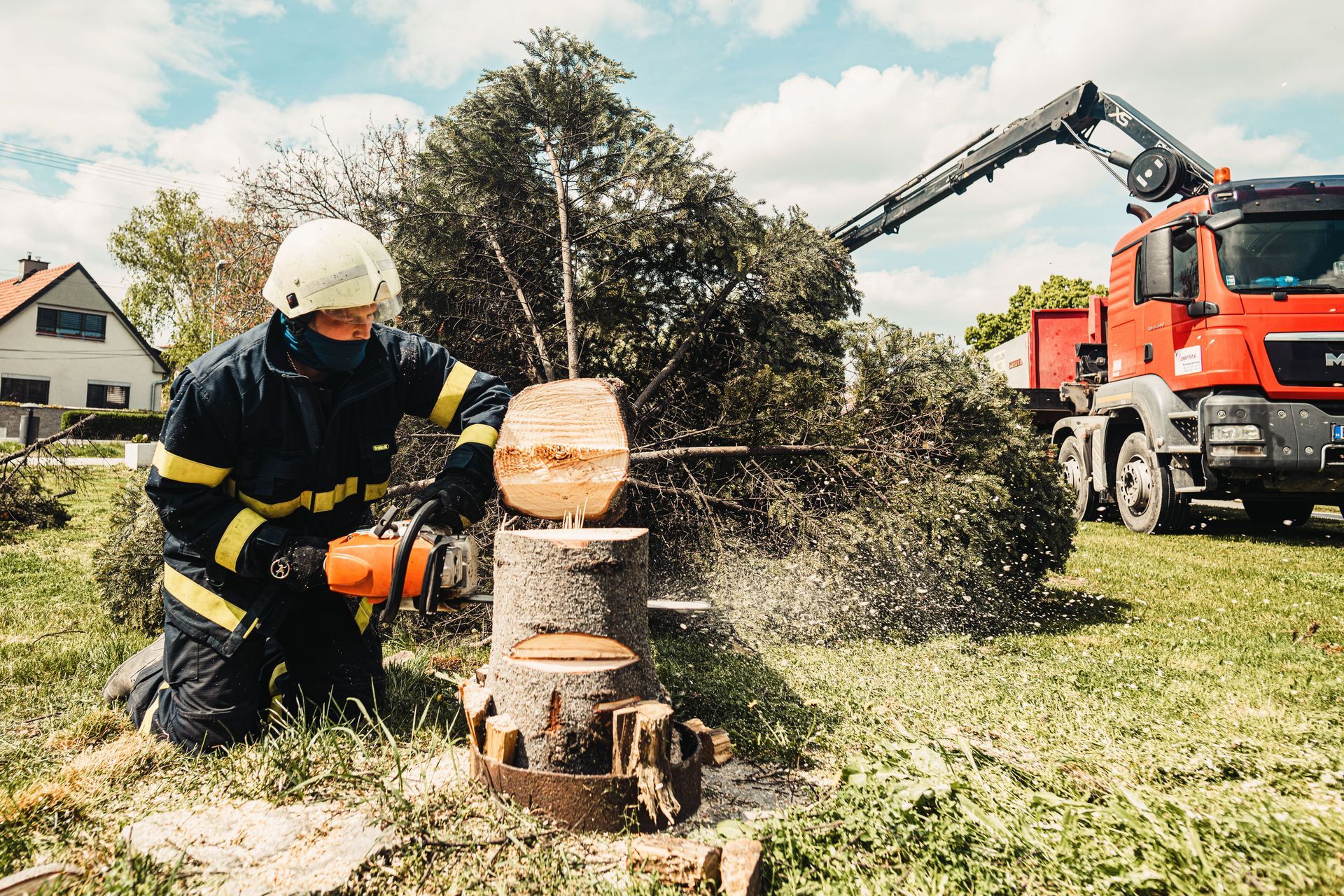
Branches and trunks bent under the weight of a fallen tree hold stored energy. When cut, they can spring back or roll with great force, which is the main reason storm clean-up is more dangerous than routine tree cutting. Chainsaw work on a damaged tree should be left to trained, insured operators with the right protective equipment.
How a Tree Surgeon Assesses the Damage
When we visit after a storm, we start by checking the area around the tree for hazards such as cables, damaged walls or fencing, and unstable ground. We then inspect the tree from the base upwards, looking at the root plate, the trunk, the main unions and the crown. The aim is to establish whether the tree can be kept and made safe, or whether it should come down.
When a tree can be saved
Many trees recover well when the damage is limited to broken branches. In that case the work usually involves removing hangers, cutting torn limbs back to a clean point near a healthy branch or the collar, and reducing weight on the side that lost growth to restore balance. Clean cuts seal over far better than ragged tears. Our tree surgery services cover this kind of remedial pruning, and our guide to winter tree pruning in Kildare gardens explains how follow-up pruning keeps a tree healthy in the seasons after.
When removal is the safer choice
Removal is usually advised when the trunk is split, the root plate has lifted, decay is extensive or the tree has lost so much of its crown that it will not recover. A tree close to a house, road or boundary leaves less margin for error. In those cases we take it down in sections, lowering the pieces under control rather than felling it in one piece. You can read more about each stage in our article on the tree removal process from survey to stump grinding.
What Affects the Cost of Storm Tree Work
The cost of making storm damaged trees safe varies a great deal from one job to the next. The main factors are:
- Size and species of the tree, and how much of it needs to be cut.
- Access , including whether equipment can reach the tree or everything must be carried through the house or side passage.
- Risk , such as a tree leaning on a roof, wall or neighbouring property, or branches under heavy tension.
- Clean-up , including chipping, removing timber and logs, and whether the stump is ground out.
- Timing , since demand rises sharply after a named storm and urgent work may be scheduled ahead of routine jobs.
If the tree has caused damage to your home, check your policy before work starts, as insurers handle fallen trees in different ways. Ask any contractor for a written quote that states exactly what is included, especially whether waste removal and stump work are part of the price.
Reducing the Risk Before the Next Storm
Most failures give some warning, so regular checks are the best protection. Have mature trees near the house inspected every few years and after any severe storm. Crown thinning or reduction can lower wind resistance on large trees, and removing deadwood takes away the branches most likely to fall. Ash trees showing dieback symptoms such as thinning crowns and dead shoots should be assessed sooner rather than later.
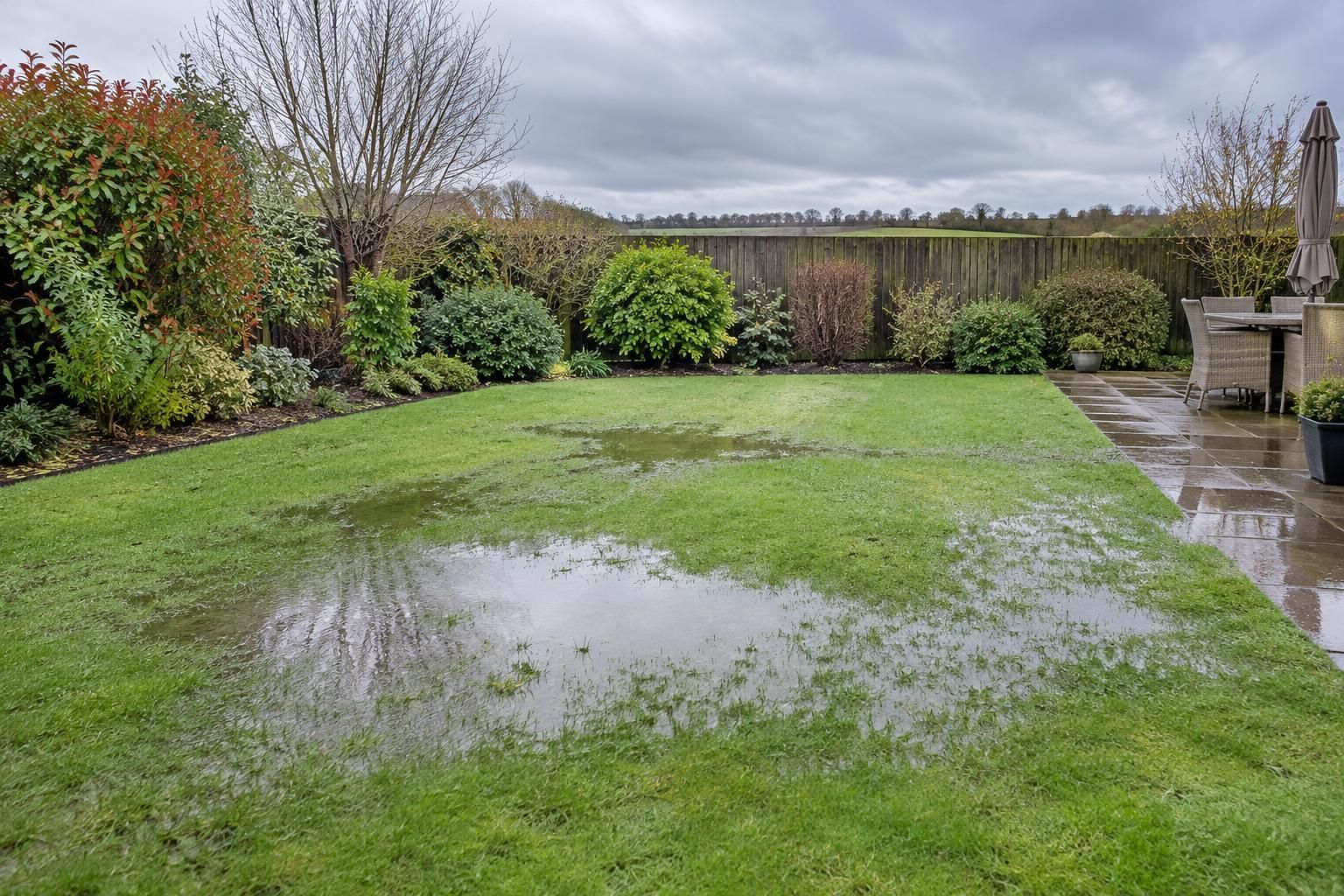
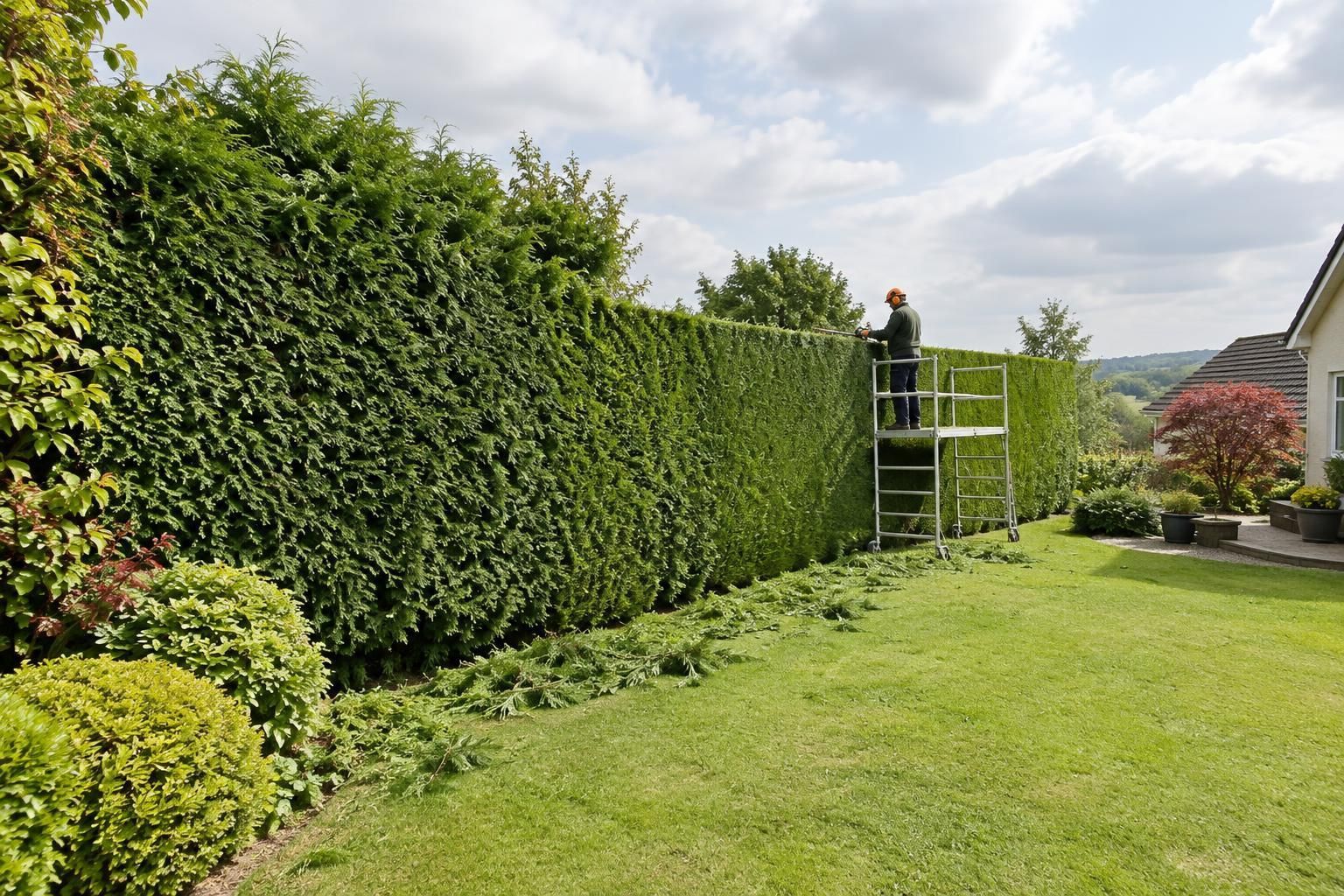
Hedges and boundary trees matter too. Overgrown leylandii hedges can catch the wind like a sail and split at the base. Keeping them to a manageable height with regular hedge trimming reduces that load. Keep drains and gullies near trees clear, since waterlogged ground weakens roots.
Getting Storm Damaged Trees Made Safe in Kildare
Storm damaged trees can look stable while hiding splits, loosened roots or hanging limbs. Keep the area clear, stay away from cables, record the damage and let a trained tree surgeon decide whether to prune or remove. We work with homeowners and businesses throughout County Kildare to make trees safe and tidy up after storms.
To arrange an assessment, please contact MD Tree & Landscaping, call us on 045254252 or email mdtrees5050@gmail.com.
Recent Posts
How to Deal With Storm Damaged Trees Safely
With storm damaged trees, keep people, pets and cars well away, stay clear of any branch touching a power line, and photograph the damage. Do not climb or cut under tension yourself. Have a qualified tree surgeon assess the tree, then decide whether it can be made safe by pruning or needs removal. This applies across Kildare.
This article explains the warning signs to look for after high winds, what you can safely do yourself, how a professional assessment by our tree surgery team works, what affects the cost of the work and how to reduce the risk before the next storm arrives.
Why autumn and winter storms damage trees
Most of the strong winds that reach Ireland arrive between October and March, when Atlantic low-pressure systems track across the country. Met Éireann notes that trees are more vulnerable when still in leaf, which is why an early named storm in October or November can bring down limbs that would survive the same gust in January. Ground saturated by weeks of rain also loosens the root plate, so a tree can lean or topple without the trunk breaking at all.
Irish gardens commonly include many mature ash, sycamore, beech, conifers and leylandii. Ash trees affected by ash dieback are a particular concern, because the disease makes the wood brittle and branches can snap in moderate winds. Fast-growing conifers with a single heavy crown and shallow roots are also prone to wind throw on exposed sites, such as the open ground around the Curragh.
Damage is not always obvious on the morning after a storm. A tree can be weakened by one gale and then fail in the next, even when the second wind is lighter. That is why a check after every significant storm is worthwhile, not just after the ones that make the news. You can see the current warning levels and what each status means on the Met Éireann weather warnings page.
Signs of a Dangerous Tree After High Winds
Walk around the garden in daylight once the wind has dropped and look at each tree from a safe distance. Use binoculars for the upper crown if you have them. The following signs suggest a dangerous tree that needs professional attention:
- Hanging branches , sometimes called hangers, caught in the crown or resting on lower limbs, which can fall without warning.
- Cracks or splits in the trunk or at the point where large limbs join it, especially in trees with two or more main stems.
- A new lean , particularly if the soil on the opposite side has lifted, cracked or formed a mound over the roots.
- Exposed or snapped roots , or a root plate that moves when the tree sways.
- Bark stripped away in long sections, which exposes the wood to decay.
- Fungal brackets or soft, crumbling wood at the base, which point to internal decay that a storm may have exposed.
- Branches touching wires , roofs, gutters or boundary walls.
Any one of these signs is a reason to keep the area clear and arrange an inspection. A tree that has lost a large limb on one side may also be unbalanced, which increases the strain on the remaining structure.
What to Do Straight Away With Storm Damaged Trees
The first hours after a storm are when most injuries happen, often during well-meant clean-up attempts. Follow these steps in order:
- Keep children, pets and visitors out of the area beneath and around the tree. If a branch has fallen across a path or driveway, move cars only if it is safe to reach them.
- Treat any branch in contact with an overhead cable as live. Stay well back and report it to ESB Networks or the relevant network operator, who must make the line safe before any tree work begins.
- Take clear photographs of the tree, the damage and anything it has struck. Your home insurer will usually ask for these if you make a claim.
- Clear only small, loose twigs and branches lying on open ground. Leave anything large, hung up in the crown, or under tension.
- Contact a tree surgeon to assess the tree before any cutting starts.
Branches and trunks bent under the weight of a fallen tree hold stored energy. When cut, they can spring back or roll with great force, which is the main reason storm clean-up is more dangerous than routine tree cutting. Chainsaw work on a damaged tree should be left to trained, insured operators with the right protective equipment.
How a Tree Surgeon Assesses the Damage
When we visit after a storm, we start by checking the area around the tree for hazards such as cables, damaged walls or fencing, and unstable ground. We then inspect the tree from the base upwards, looking at the root plate, the trunk, the main unions and the crown. The aim is to establish whether the tree can be kept and made safe, or whether it should come down.
When a tree can be saved
Many trees recover well when the damage is limited to broken branches. In that case the work usually involves removing hangers, cutting torn limbs back to a clean point near a healthy branch or the collar, and reducing weight on the side that lost growth to restore balance. Clean cuts seal over far better than ragged tears. Our tree surgery services cover this kind of remedial pruning, and our guide to winter tree pruning in Kildare gardens explains how follow-up pruning keeps a tree healthy in the seasons after.
When removal is the safer choice
Removal is usually advised when the trunk is split, the root plate has lifted, decay is extensive or the tree has lost so much of its crown that it will not recover. A tree close to a house, road or boundary leaves less margin for error. In those cases we take it down in sections, lowering the pieces under control rather than felling it in one piece. You can read more about each stage in our article on the tree removal process from survey to stump grinding.
What Affects the Cost of Storm Tree Work
The cost of making storm damaged trees safe varies a great deal from one job to the next. The main factors are:
- Size and species of the tree, and how much of it needs to be cut.
- Access , including whether equipment can reach the tree or everything must be carried through the house or side passage.
- Risk , such as a tree leaning on a roof, wall or neighbouring property, or branches under heavy tension.
- Clean-up , including chipping, removing timber and logs, and whether the stump is ground out.
- Timing , since demand rises sharply after a named storm and urgent work may be scheduled ahead of routine jobs.
If the tree has caused damage to your home, check your policy before work starts, as insurers handle fallen trees in different ways. Ask any contractor for a written quote that states exactly what is included, especially whether waste removal and stump work are part of the price.
Reducing the Risk Before the Next Storm
Most failures give some warning, so regular checks are the best protection. Have mature trees near the house inspected every few years and after any severe storm. Crown thinning or reduction can lower wind resistance on large trees, and removing deadwood takes away the branches most likely to fall. Ash trees showing dieback symptoms such as thinning crowns and dead shoots should be assessed sooner rather than later.
Hedges and boundary trees matter too. Overgrown leylandii hedges can catch the wind like a sail and split at the base. Keeping them to a manageable height with regular hedge trimming reduces that load. Keep drains and gullies near trees clear, since waterlogged ground weakens roots.
Getting Storm Damaged Trees Made Safe in Kildare
Storm damaged trees can look stable while hiding splits, loosened roots or hanging limbs. Keep the area clear, stay away from cables, record the damage and let a trained tree surgeon decide whether to prune or remove. We work with homeowners and businesses throughout County Kildare to make trees safe and tidy up after storms.
To arrange an assessment, please contact MD Tree & Landscaping, call us on 045254252 or email mdtrees5050@gmail.com.