
Choosing Patio Paving Materials for the Irish Climate
1 November 2026
Share
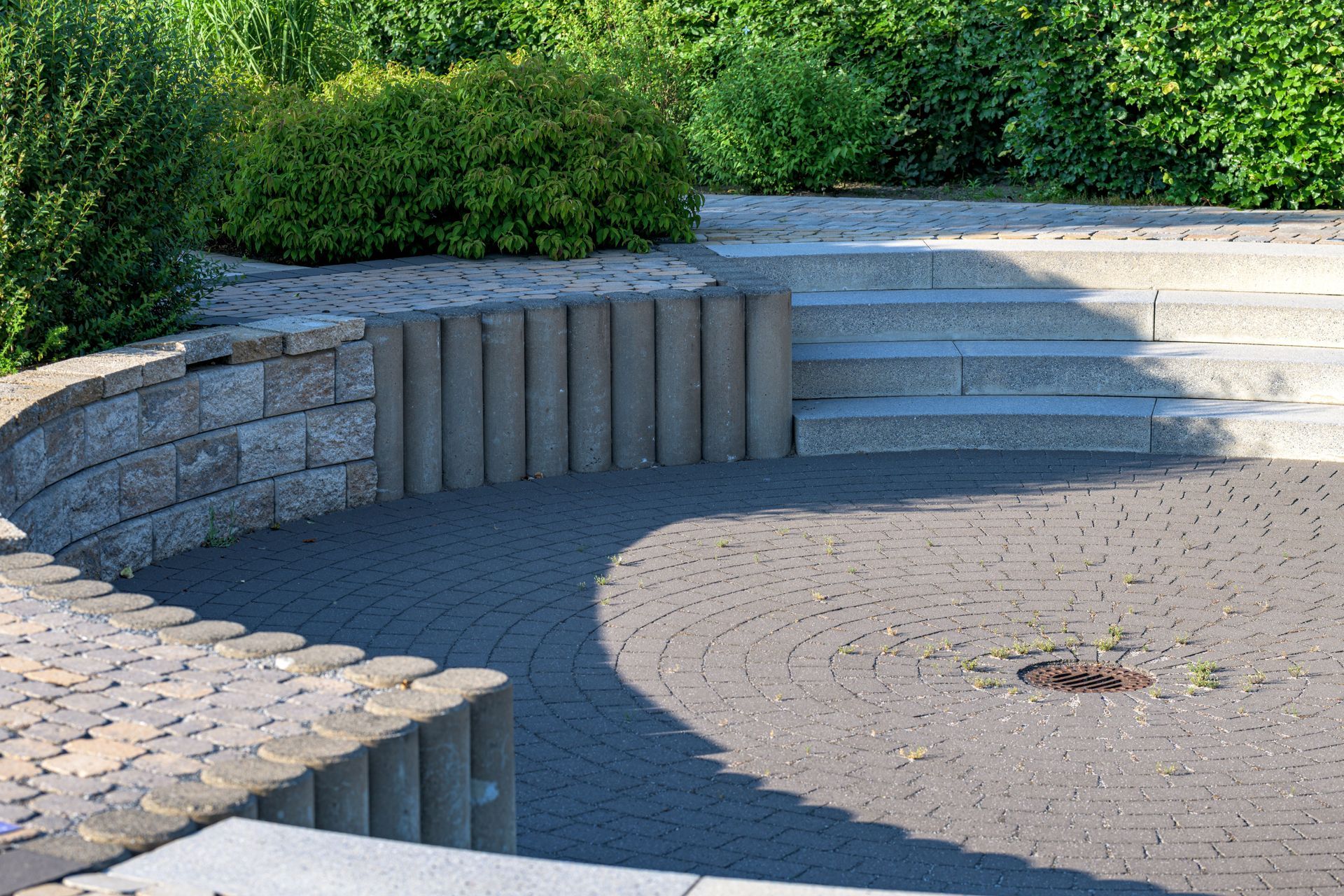
Why Material Choice Matters for Irish Patios
A patio is one of the most valuable additions to any garden. It creates a dry, level space for dining, relaxing and entertaining, and it extends the usable living area of a home well beyond the back door. In Ireland, however, a patio has to cope with conditions that are quite different from the sunny showroom photographs. Frequent rainfall, mild but damp winters, occasional hard frosts and shaded north-facing gardens all affect how paving performs over time.
Choosing the right material is the single biggest factor in how a patio will look and perform ten or twenty years from now. Some stones stay clean and grippy in wet weather, while others become slippery or stained with algae. Some resist frost and de-icing salt well, while others can flake or crack. This guide explains the most popular patio paving materials used in County Kildare gardens and how each one handles the Irish climate.
Irish Limestone
Irish blue limestone is one of the most recognisable paving materials in the country. Its dense structure makes it very durable and resistant to frost, and its natural grey-blue tone suits both traditional and contemporary homes. Limestone with a sawn and sandblasted or riven finish provides good slip resistance in wet conditions, which is essential for Irish gardens.
Polished or honed limestone, while elegant, can become slippery when wet and is better suited to sheltered areas or indoor use. Limestone is also slightly sensitive to acidic spills such as wine or citrus juice, so a quality sealant is recommended for dining areas. Overall, it remains one of the best long-term choices for patios in Kildare.
Indian Sandstone
Indian sandstone became extremely popular in Irish gardens thanks to its warm colours, natural riven texture and competitive price. Shades range from buff and golden tones to grey, brown and multi-coloured blends. Its textured surface gives decent grip underfoot.
The main drawback in Ireland is porosity. Sandstone absorbs water more readily than denser stones, which can encourage green algae and black lichen spots, particularly in shaded or damp gardens. Sealing the stone after installation and regular cleaning will help it stay looking fresh. Sandstone works best in sunny, well-ventilated areas with good drainage.
Granite
Granite is one of the hardest and most durable natural stones available for paving. It is highly resistant to frost, wear and staining, and it keeps its appearance for decades with minimal maintenance. Flamed granite, which has a slightly roughened surface, offers excellent slip resistance and is a strong choice for steps, paths and patios that see heavy use.
Granite is usually more expensive than sandstone and some limestones, and its weight makes installation more demanding. For homeowners looking for a hard-wearing patio that will last a lifetime, it is well worth considering.
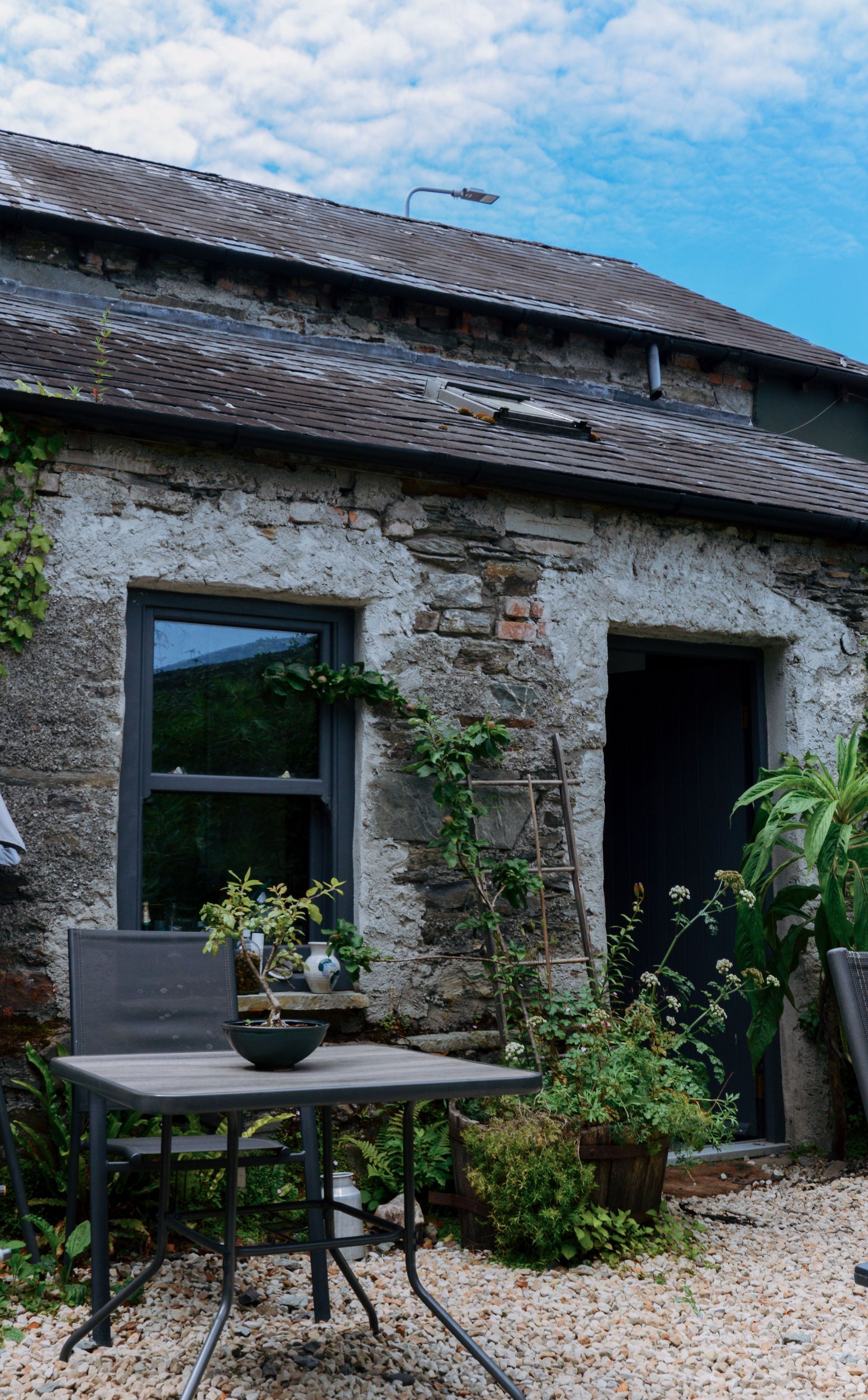
Porcelain Paving
Outdoor porcelain has grown rapidly in popularity across Ireland. It is manufactured at very high temperatures, giving it extremely low water absorption. This means it resists moss, algae, frost damage and staining far better than most natural stone. Porcelain is available in a wide range of finishes, including convincing stone, slate and timber effects, as well as clean modern greys and whites.
For outdoor use, it is important to choose porcelain that is at least 20 millimetres thick and rated for exterior slip resistance. Installation also requires specialist techniques, including a full mortar bed and a priming slurry on the back of each tile to ensure a strong bond. When laid correctly, porcelain is one of the lowest-maintenance patio surfaces available.
Concrete Flags and Block Paving
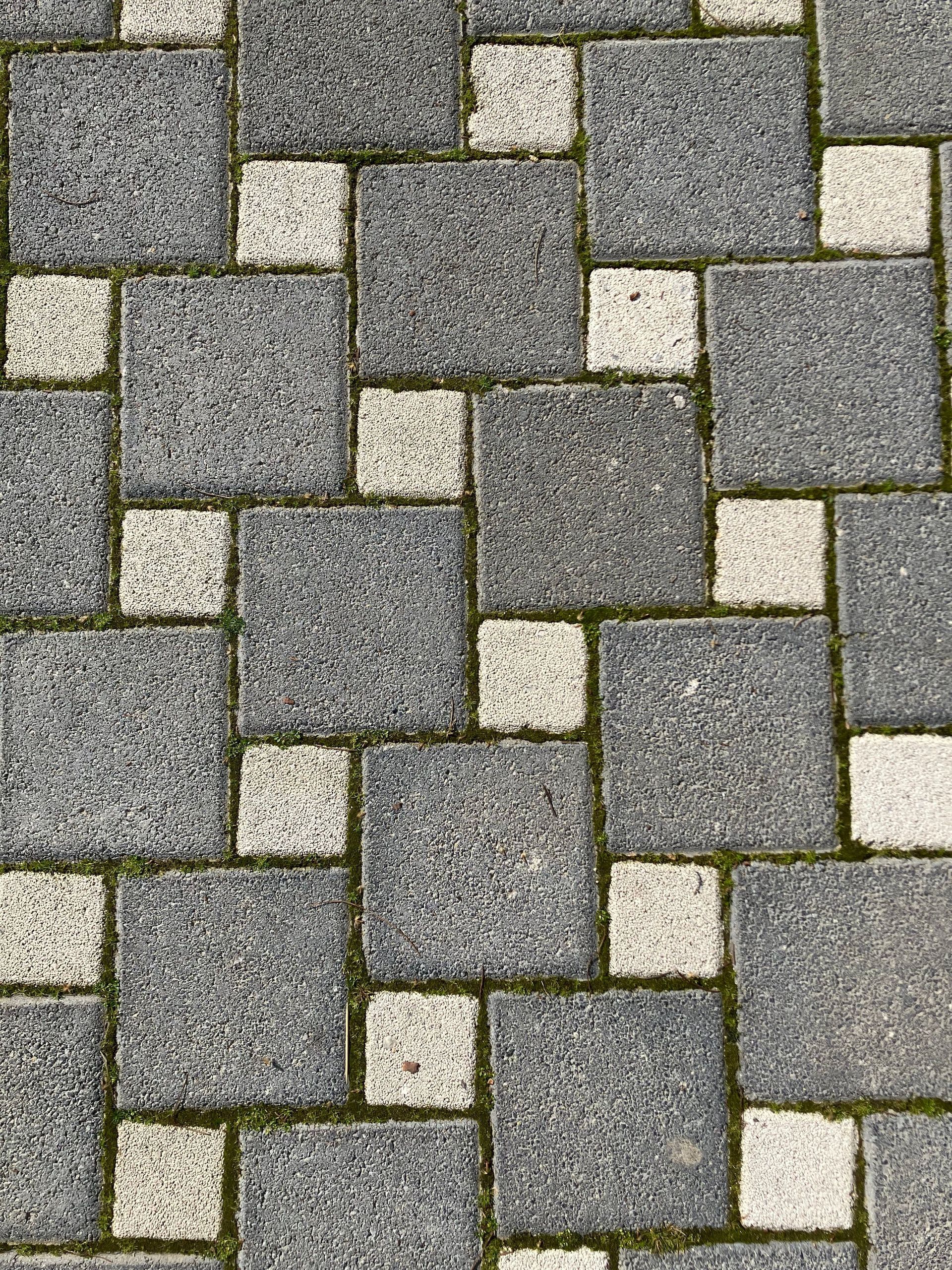
Concrete paving slabs and blocks offer a budget-friendly and versatile option. Modern concrete products come in a wide variety of colours, textures and sizes, and many imitate natural stone well. They are strong, frost-resistant and easy to replace if a single unit becomes damaged. Concrete can fade slightly over time and may show efflorescence, a white salt bloom that usually disappears naturally within the first year or two.
Drainage and Falls for Wet Weather
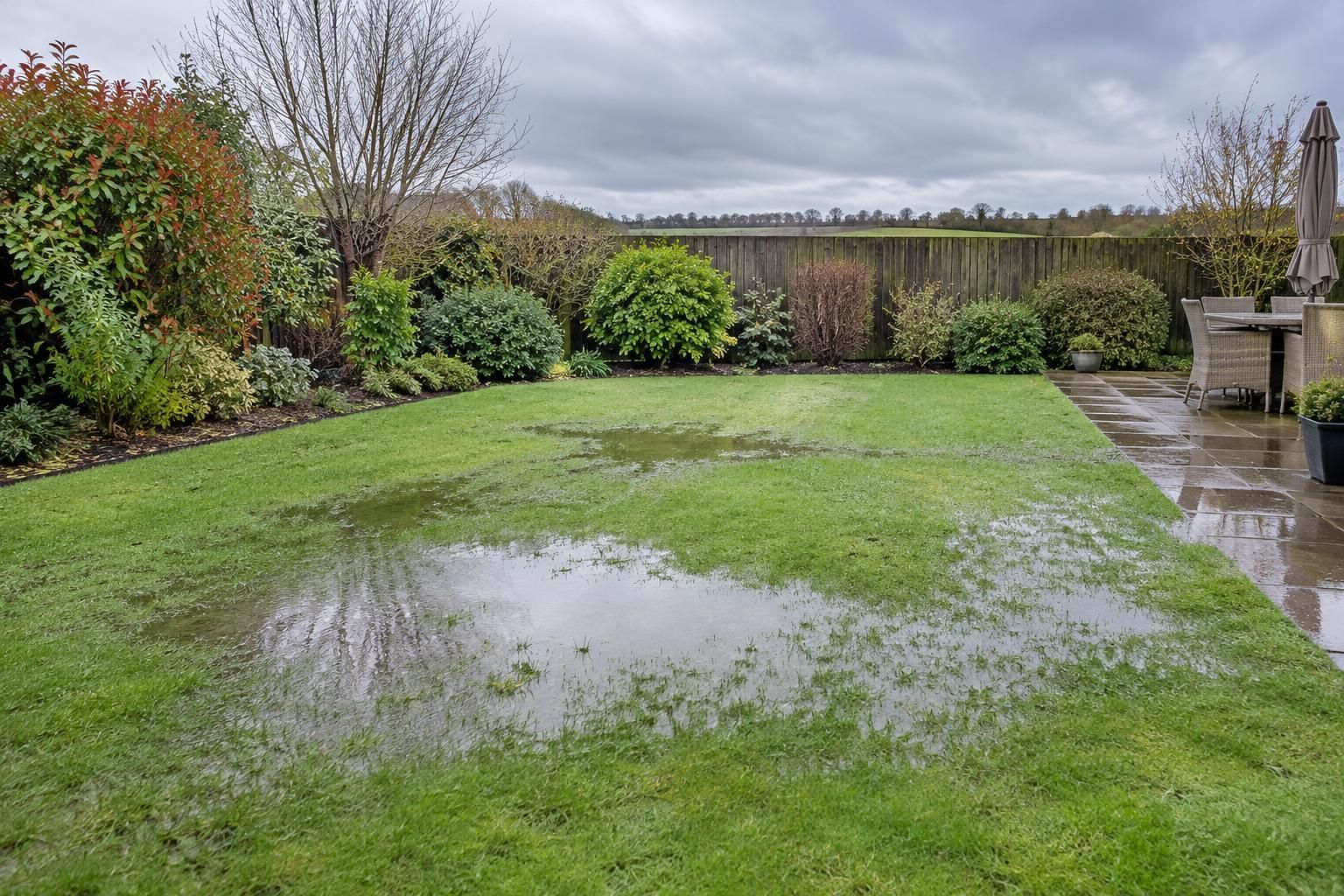
Whatever material you choose, drainage is critical in an Irish garden. A patio should be laid with a gentle fall, typically around 1 in 60 to 1 in 80, so that rainwater runs away from the house rather than pooling on the surface or against the walls. The finished level should also sit at least 150 millimetres below the damp-proof course of the house to protect the building.
A properly compacted sub-base of crushed stone is just as important as the paving itself. Skimping on excavation and sub-base depth is the most common cause of sinking, rocking or cracked slabs. Where gardens have heavy clay soils, as many in Kildare do, additional drainage such as channel drains or soakaways may be needed.
Jointing Options
Joints can be filled with traditional sand and cement mortar, or with modern resin-based jointing compounds. Resin compounds are quicker to apply, flexible and resist weeds well. Cement mortar remains a reliable and economical choice when correctly mixed and finished.
Keeping Your Patio in Good Condition
Regular sweeping removes leaves and debris that hold moisture and encourage algae. An annual clean with a suitable patio cleaner or gentle pressure washing will keep most surfaces looking good. Natural stone benefits from resealing every few years, while porcelain generally only needs routine cleaning. Checking and repairing joints promptly prevents weeds and water from undermining the paving.
Professional Patio Installation in Kildare
A well-designed patio built on a solid foundation will give years of enjoyment with very little maintenance. MD Tree & Landscaping designs and installs patios and garden paving across County Kildare, using materials suited to Irish weather and finished to a high standard. We also install driveway and block paving and complete landscaping projects. Contact us today to arrange a free site visit and quote for your new patio.
Recent Posts
Why Material Choice Matters for Irish Patios
A patio is one of the most valuable additions to any garden. It creates a dry, level space for dining, relaxing and entertaining, and it extends the usable living area of a home well beyond the back door. In Ireland, however, a patio has to cope with conditions that are quite different from the sunny showroom photographs. Frequent rainfall, mild but damp winters, occasional hard frosts and shaded north-facing gardens all affect how paving performs over time.
Choosing the right material is the single biggest factor in how a patio will look and perform ten or twenty years from now. Some stones stay clean and grippy in wet weather, while others become slippery or stained with algae. Some resist frost and de-icing salt well, while others can flake or crack. This guide explains the most popular patio paving materials used in County Kildare gardens and how each one handles the Irish climate.
Irish Limestone
Irish blue limestone is one of the most recognisable paving materials in the country. Its dense structure makes it very durable and resistant to frost, and its natural grey-blue tone suits both traditional and contemporary homes. Limestone with a sawn and sandblasted or riven finish provides good slip resistance in wet conditions, which is essential for Irish gardens.
Polished or honed limestone, while elegant, can become slippery when wet and is better suited to sheltered areas or indoor use. Limestone is also slightly sensitive to acidic spills such as wine or citrus juice, so a quality sealant is recommended for dining areas. Overall, it remains one of the best long-term choices for patios in Kildare.
Indian Sandstone
Indian sandstone became extremely popular in Irish gardens thanks to its warm colours, natural riven texture and competitive price. Shades range from buff and golden tones to grey, brown and multi-coloured blends. Its textured surface gives decent grip underfoot.
The main drawback in Ireland is porosity. Sandstone absorbs water more readily than denser stones, which can encourage green algae and black lichen spots, particularly in shaded or damp gardens. Sealing the stone after installation and regular cleaning will help it stay looking fresh. Sandstone works best in sunny, well-ventilated areas with good drainage.
Granite
Granite is one of the hardest and most durable natural stones available for paving. It is highly resistant to frost, wear and staining, and it keeps its appearance for decades with minimal maintenance. Flamed granite, which has a slightly roughened surface, offers excellent slip resistance and is a strong choice for steps, paths and patios that see heavy use.
Granite is usually more expensive than sandstone and some limestones, and its weight makes installation more demanding. For homeowners looking for a hard-wearing patio that will last a lifetime, it is well worth considering.
Porcelain Paving
Outdoor porcelain has grown rapidly in popularity across Ireland. It is manufactured at very high temperatures, giving it extremely low water absorption. This means it resists moss, algae, frost damage and staining far better than most natural stone. Porcelain is available in a wide range of finishes, including convincing stone, slate and timber effects, as well as clean modern greys and whites.
For outdoor use, it is important to choose porcelain that is at least 20 millimetres thick and rated for exterior slip resistance. Installation also requires specialist techniques, including a full mortar bed and a priming slurry on the back of each tile to ensure a strong bond. When laid correctly, porcelain is one of the lowest-maintenance patio surfaces available.
Concrete Flags and Block Paving
Concrete paving slabs and blocks offer a budget-friendly and versatile option. Modern concrete products come in a wide variety of colours, textures and sizes, and many imitate natural stone well. They are strong, frost-resistant and easy to replace if a single unit becomes damaged. Concrete can fade slightly over time and may show efflorescence, a white salt bloom that usually disappears naturally within the first year or two.
Drainage and Falls for Wet Weather
Whatever material you choose, drainage is critical in an Irish garden. A patio should be laid with a gentle fall, typically around 1 in 60 to 1 in 80, so that rainwater runs away from the house rather than pooling on the surface or against the walls. The finished level should also sit at least 150 millimetres below the damp-proof course of the house to protect the building.
A properly compacted sub-base of crushed stone is just as important as the paving itself. Skimping on excavation and sub-base depth is the most common cause of sinking, rocking or cracked slabs. Where gardens have heavy clay soils, as many in Kildare do, additional drainage such as channel drains or soakaways may be needed.
Jointing Options
Joints can be filled with traditional sand and cement mortar, or with modern resin-based jointing compounds. Resin compounds are quicker to apply, flexible and resist weeds well. Cement mortar remains a reliable and economical choice when correctly mixed and finished.
Keeping Your Patio in Good Condition
Regular sweeping removes leaves and debris that hold moisture and encourage algae. An annual clean with a suitable patio cleaner or gentle pressure washing will keep most surfaces looking good. Natural stone benefits from resealing every few years, while porcelain generally only needs routine cleaning. Checking and repairing joints promptly prevents weeds and water from undermining the paving.
Professional Patio Installation in Kildare
A well-designed patio built on a solid foundation will give years of enjoyment with very little maintenance. MD Tree & Landscaping designs and installs patios and garden paving across County Kildare, using materials suited to Irish weather and finished to a high standard. We also install driveway and block paving and complete landscaping projects. Contact us today to arrange a free site visit and quote for your new patio.