Hedge Cutting Season and the Law in Ireland
1 November 2026
Share

Understanding Hedge Cutting Rules in Ireland
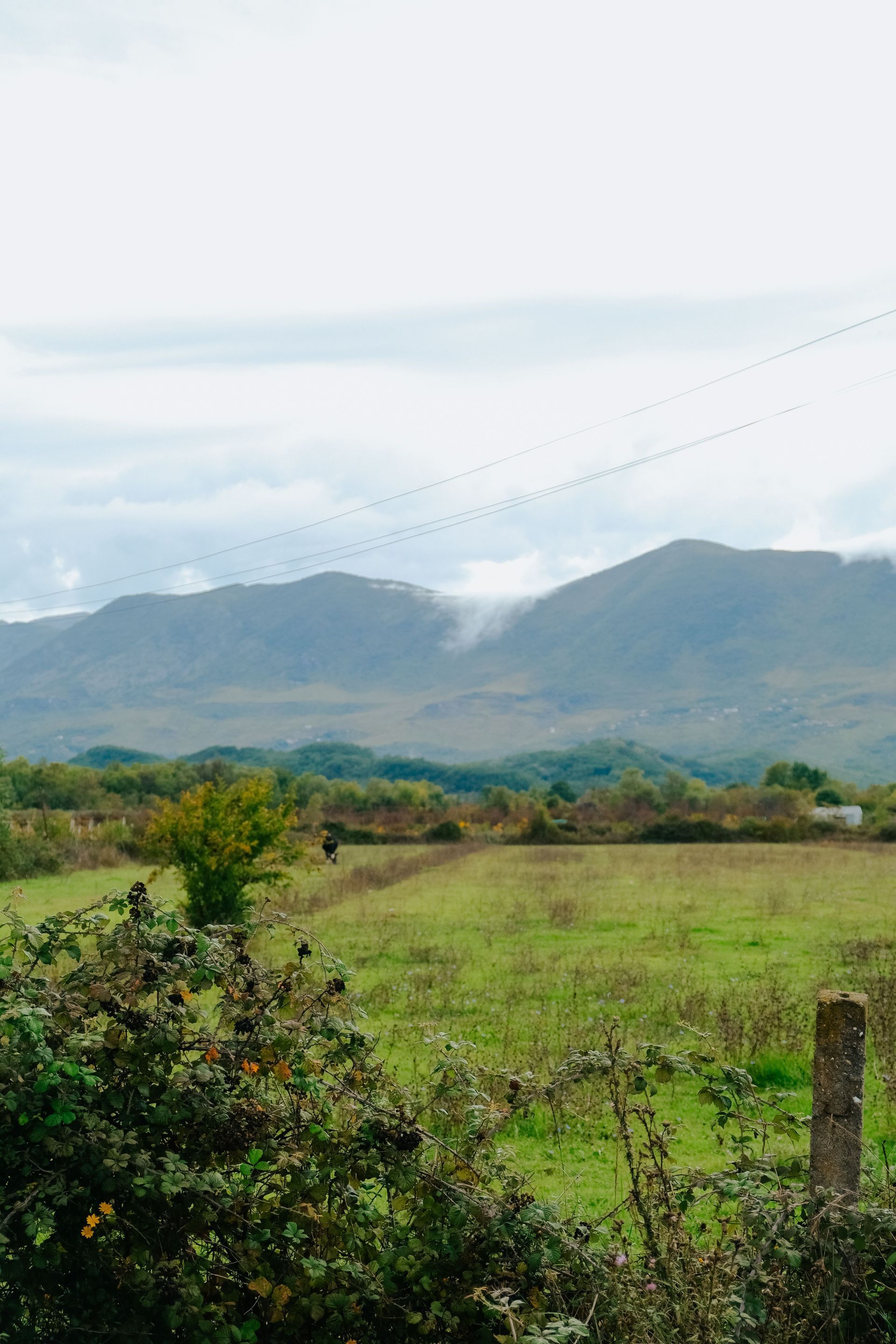
Hedges are one of the most valuable features of the Irish landscape. They mark field boundaries, shelter homes from wind and rain, screen gardens from roads and neighbours, and provide food and nesting space for a huge range of birds, insects and small mammals. Because of that ecological value, Irish law places clear limits on when certain hedges can be cut. Anyone planning hedge work in County Kildare, whether on a farm boundary, a roadside or a large rural garden, should understand those rules before starting.
The key legislation is Section 40 of the Wildlife Act 1976, as amended by the Wildlife (Amendment) Act 2000. It makes it an offence to cut, grub, burn or otherwise destroy vegetation growing in any hedge or ditch on uncultivated land between 1 March and 31 August each year. The same closed season applies to burning vegetation on uncultivated land. The purpose is simple: this is the main breeding season for Irish birds, and hedges are one of their most important habitats.
That means the open season for hedge cutting on uncultivated land runs from 1 September to the end of February. For most rural landowners, autumn and winter are therefore the busiest times for hedge trimming, flailing and boundary maintenance.
How the Rules Apply to Garden Hedges
Domestic gardens are treated differently from uncultivated land, and routine trimming of a garden hedge is generally permitted throughout the year. However, the Wildlife Act also makes it an offence to wilfully destroy or disturb the nest or eggs of a wild bird while it is being built or in use. In practice, this means a garden hedge with an active nest should not be cut until the young have fledged, regardless of the month.
Blackbirds, robins, wrens, dunnocks, song thrushes and finches all commonly nest in suburban hedges around Naas, Newbridge, Celbridge, Maynooth and Kildare Town. Many begin building nests as early as March and can raise two or three broods before late summer. Before any hedge trimming in spring or summer, a careful visual check for nests and adult birds carrying food or nesting material is essential. Where nests are found, the work should be postponed or the area around the nest left untouched.
Roadside Hedges and Safety Exemptions
Landowners have a legal responsibility to keep roadside hedges and trees from becoming a danger to road users. The Roads Act 1993 allows local authorities to require landowners to cut back hedges and trees that obstruct visibility or pose a hazard. Limited exemptions under the Wildlife Act allow cutting during the closed season for genuine road safety reasons, public health and safety, or certain works such as road construction, but these exemptions are narrow and should not be relied on for routine tidying.
The Best Times to Trim Common Garden Hedges
Within the legal framework, timing hedge work around the growth habits of each species gives the best results. A well-timed trim keeps hedges dense, healthy and attractive with less effort over the year.
Evergreen Hedges
Laurel, privet, griselinia, escallonia and box are popular evergreen hedges in Irish gardens. Most benefit from a main trim in late summer once nesting has finished, with an optional light tidy in late spring if no birds are present. Cherry laurel is best cut with a hedge trimmer and then tidied by hand, as cutting through large leaves can leave brown edges. Griselinia, which grows quickly in Irish conditions, often needs two cuts a year to stay compact.
Conifer Hedges
Leyland cypress and other conifer hedges grow rapidly and should be trimmed regularly to prevent them from becoming overgrown. The critical point with conifers is that most species will not regrow from old brown wood. Cutting back beyond the green growth often leaves permanent bare patches. Regular, moderate trimming between late spring and early autumn is far better than an occasional hard cut.
Native and Deciduous Hedges
Hawthorn, blackthorn, beech, hornbeam and hazel are classic native or deciduous hedge plants. These are ideal candidates for trimming in autumn and winter, between September and February. Beech and hornbeam keep many of their dead brown leaves through winter, giving useful privacy and colour even when dormant. Hawthorn and blackthorn hedges cut in late winter, after birds have eaten most of the berries, provide the most value to wildlife.
Restoring Overgrown Hedges
Many Kildare properties have hedges that have been left untouched for years and are now too tall, too wide or thin at the base. Restoration work, such as heavy height reduction or cutting back one face of the hedge, is best carried out in the dormant season between November and February. This timing avoids nesting birds and allows the plants to put their energy into fresh growth in spring.
For deciduous hedges, a common approach is to cut back one side hard in the first winter and the other side the following year. This spreads the stress and keeps the hedge alive and functional throughout. Overgrown laurel and privet also respond well to hard pruning, though conifers usually cannot be restored this way and may need replacement if they have become too large.
Disposing of Hedge Cuttings Responsibly
Hedge trimming produces a large volume of green waste, particularly from fast-growing evergreens. Burning garden waste is generally prohibited under Irish waste regulations, so cuttings should be composted, chipped or taken to a licensed recycling facility. Professional contractors normally include full clean-up and removal of cuttings in their price, leaving lawns, paths and flower beds clear.
Why Choose Professional Hedge Trimming
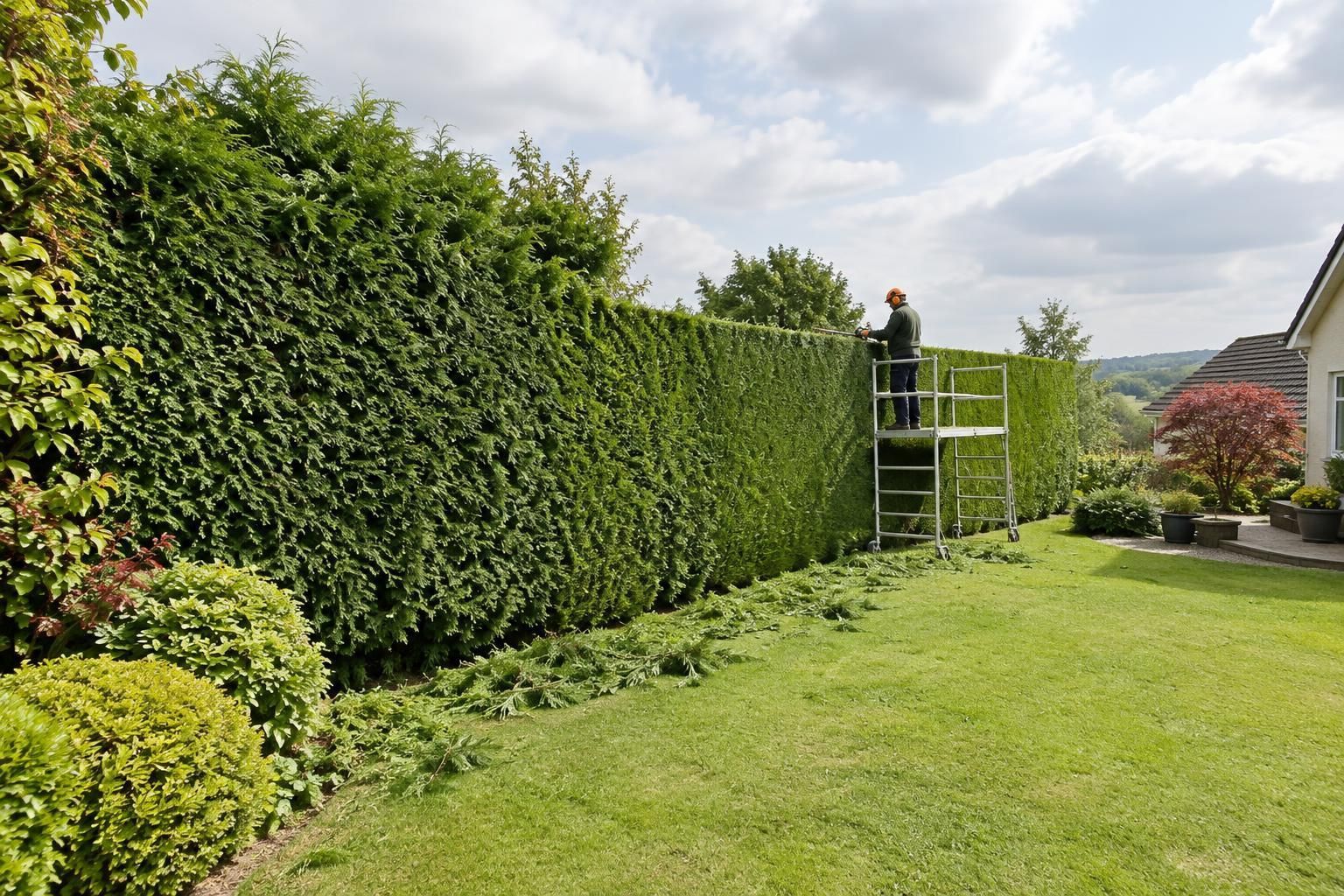
Tall or wide hedges often require ladders, platforms and powerful trimmers, which carry real safety risks. A professional team has the right equipment to achieve straight, level lines and even faces while working safely at height. Experienced gardeners also know how to spot nests, identify problem growth and advise on the best long-term shape for each hedge.
MD Tree & Landscaping provides hedge trimming and hedge cutting for homes, farms and commercial properties throughout County Kildare. We work within the Wildlife Act at all times and can combine hedge work with tree surgery and regular garden maintenance visits.
Plan Your Hedge Work With MD Tree & Landscaping
The months between September and February are the ideal time to tackle boundary hedges, overgrown screens and restoration projects. Cutting within the open season protects wildlife, keeps you on the right side of the law and gives hedges the best chance to thicken up in spring. Get in touch with our team for a free quote and book your hedge trimming before the closed season begins on 1 March.
Recent Posts
Understanding Hedge Cutting Rules in Ireland
Hedges are one of the most valuable features of the Irish landscape. They mark field boundaries, shelter homes from wind and rain, screen gardens from roads and neighbours, and provide food and nesting space for a huge range of birds, insects and small mammals. Because of that ecological value, Irish law places clear limits on when certain hedges can be cut. Anyone planning hedge work in County Kildare, whether on a farm boundary, a roadside or a large rural garden, should understand those rules before starting.
The key legislation is Section 40 of the Wildlife Act 1976, as amended by the Wildlife (Amendment) Act 2000. It makes it an offence to cut, grub, burn or otherwise destroy vegetation growing in any hedge or ditch on uncultivated land between 1 March and 31 August each year. The same closed season applies to burning vegetation on uncultivated land. The purpose is simple: this is the main breeding season for Irish birds, and hedges are one of their most important habitats.
That means the open season for hedge cutting on uncultivated land runs from 1 September to the end of February. For most rural landowners, autumn and winter are therefore the busiest times for hedge trimming, flailing and boundary maintenance.
How the Rules Apply to Garden Hedges
Domestic gardens are treated differently from uncultivated land, and routine trimming of a garden hedge is generally permitted throughout the year. However, the Wildlife Act also makes it an offence to wilfully destroy or disturb the nest or eggs of a wild bird while it is being built or in use. In practice, this means a garden hedge with an active nest should not be cut until the young have fledged, regardless of the month.
Blackbirds, robins, wrens, dunnocks, song thrushes and finches all commonly nest in suburban hedges around Naas, Newbridge, Celbridge, Maynooth and Kildare Town. Many begin building nests as early as March and can raise two or three broods before late summer. Before any hedge trimming in spring or summer, a careful visual check for nests and adult birds carrying food or nesting material is essential. Where nests are found, the work should be postponed or the area around the nest left untouched.
Roadside Hedges and Safety Exemptions
Landowners have a legal responsibility to keep roadside hedges and trees from becoming a danger to road users. The Roads Act 1993 allows local authorities to require landowners to cut back hedges and trees that obstruct visibility or pose a hazard. Limited exemptions under the Wildlife Act allow cutting during the closed season for genuine road safety reasons, public health and safety, or certain works such as road construction, but these exemptions are narrow and should not be relied on for routine tidying.
The Best Times to Trim Common Garden Hedges
Within the legal framework, timing hedge work around the growth habits of each species gives the best results. A well-timed trim keeps hedges dense, healthy and attractive with less effort over the year.
Evergreen Hedges
Laurel, privet, griselinia, escallonia and box are popular evergreen hedges in Irish gardens. Most benefit from a main trim in late summer once nesting has finished, with an optional light tidy in late spring if no birds are present. Cherry laurel is best cut with a hedge trimmer and then tidied by hand, as cutting through large leaves can leave brown edges. Griselinia, which grows quickly in Irish conditions, often needs two cuts a year to stay compact.
Conifer Hedges
Leyland cypress and other conifer hedges grow rapidly and should be trimmed regularly to prevent them from becoming overgrown. The critical point with conifers is that most species will not regrow from old brown wood. Cutting back beyond the green growth often leaves permanent bare patches. Regular, moderate trimming between late spring and early autumn is far better than an occasional hard cut.
Native and Deciduous Hedges
Hawthorn, blackthorn, beech, hornbeam and hazel are classic native or deciduous hedge plants. These are ideal candidates for trimming in autumn and winter, between September and February. Beech and hornbeam keep many of their dead brown leaves through winter, giving useful privacy and colour even when dormant. Hawthorn and blackthorn hedges cut in late winter, after birds have eaten most of the berries, provide the most value to wildlife.
Restoring Overgrown Hedges
Many Kildare properties have hedges that have been left untouched for years and are now too tall, too wide or thin at the base. Restoration work, such as heavy height reduction or cutting back one face of the hedge, is best carried out in the dormant season between November and February. This timing avoids nesting birds and allows the plants to put their energy into fresh growth in spring.
For deciduous hedges, a common approach is to cut back one side hard in the first winter and the other side the following year. This spreads the stress and keeps the hedge alive and functional throughout. Overgrown laurel and privet also respond well to hard pruning, though conifers usually cannot be restored this way and may need replacement if they have become too large.
Disposing of Hedge Cuttings Responsibly
Hedge trimming produces a large volume of green waste, particularly from fast-growing evergreens. Burning garden waste is generally prohibited under Irish waste regulations, so cuttings should be composted, chipped or taken to a licensed recycling facility. Professional contractors normally include full clean-up and removal of cuttings in their price, leaving lawns, paths and flower beds clear.
Why Choose Professional Hedge Trimming
Tall or wide hedges often require ladders, platforms and powerful trimmers, which carry real safety risks. A professional team has the right equipment to achieve straight, level lines and even faces while working safely at height. Experienced gardeners also know how to spot nests, identify problem growth and advise on the best long-term shape for each hedge.
MD Tree & Landscaping provides hedge trimming and hedge cutting for homes, farms and commercial properties throughout County Kildare. We work within the Wildlife Act at all times and can combine hedge work with tree surgery and regular garden maintenance visits.
Plan Your Hedge Work With MD Tree & Landscaping
The months between September and February are the ideal time to tackle boundary hedges, overgrown screens and restoration projects. Cutting within the open season protects wildlife, keeps you on the right side of the law and gives hedges the best chance to thicken up in spring. Get in touch with our team for a free quote and book your hedge trimming before the closed season begins on 1 March.