Winter Tree Pruning Guide for Kildare Gardens
1 November 2026
Share
Why Winter Is the Right Time to Prune Garden Trees
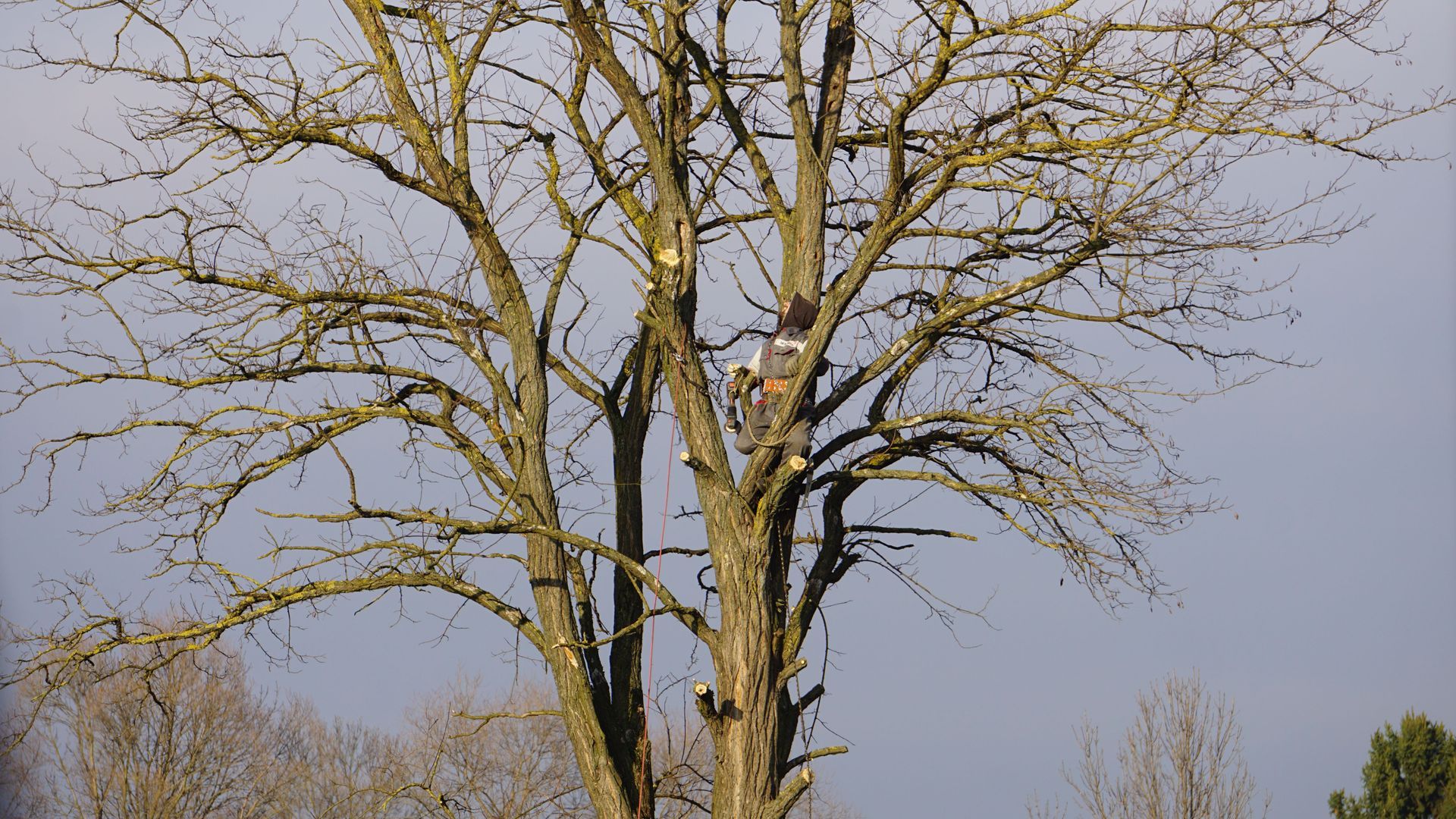
Once the leaves have fallen across County Kildare, most deciduous garden trees enter their dormant season. This period, which usually runs from late November through to the end of February, is the most effective window for structural pruning. With the canopy bare, a tree surgeon can see the full framework of branches, spot crossing or rubbing limbs, and identify deadwood that would be hidden behind foliage in summer. The result is a cleaner, more precise job that sets the tree up for healthy growth when spring arrives.
Dormant pruning also places far less stress on the tree. Sap flow is low, so cuts lose less moisture and the tree is not diverting energy away from leaf and fruit production. Many fungal diseases and insect pests are also inactive in cold weather, which lowers the risk of infection entering fresh wounds. For homeowners in Naas, Newbridge, Kildare Town and the surrounding villages, scheduling tree work in winter is one of the simplest ways to protect the long-term value of mature trees.
There is a practical benefit for the garden as well. Lawns, borders and flower beds are largely dormant, so access with ladders, ropes and chippers causes much less disruption than it would in the height of summer. Ground protection boards can be laid over soft grass, and any minor marks recover quickly once growth resumes.
Trees That Benefit Most From Winter Pruning
Most common Irish garden trees respond very well to pruning during dormancy. Apple and pear trees are classic examples, as winter pruning encourages strong fruiting spurs and an open centre that lets light and air reach the branches. Ash, beech, oak, sycamore, lime, hornbeam and alder can all be crown thinned, crown lifted or reduced in winter with good results.
A small number of species are better left until later in the year. Cherry, plum and other members of the Prunus family are vulnerable to silver leaf disease and bacterial canker, both of which spread most easily in cool, damp weather. These are best pruned in dry spells during mid-summer. Birch, walnut and maple tend to bleed heavily if cut in late winter as sap begins to rise, so light work on these is normally done in late summer or early autumn. Evergreen conifers such as Leyland cypress are generally trimmed between spring and late summer rather than in deep winter.
Signs a Tree Needs Attention
Not every tree needs pruning every year, but some signs are worth acting on. Dead or brittle branches, limbs overhanging the roof or gutters, branches touching overhead cables, and canopies blocking light from windows or the garden are all reasons to book an inspection. Cracks in the trunk, fungal brackets at the base, or a noticeable lean after a storm should be assessed promptly by a qualified tree surgeon, as these can indicate structural weakness.
Common Pruning Techniques Explained
Professional tree work is about far more than cutting branches back. Each technique has a specific purpose, and the right choice depends on the species, age and condition of the tree as well as what the homeowner wants to achieve.
Crown Thinning
Crown thinning removes a selection of smaller internal branches to reduce the density of the canopy. This allows more light into the garden, lowers wind resistance during winter storms and reduces the weight carried by major limbs. Done correctly, the tree keeps its natural shape and size while looking lighter and healthier.
Crown Lifting
Crown lifting removes the lowest branches to raise the height of the canopy. It is often used to create clearance over driveways, footpaths and lawns, or to let more light reach ground-floor windows. It is especially useful for trees beside public roads where clearance for vehicles is required.
Crown Reduction
Crown reduction lowers the overall height and spread of a tree by cutting branches back to suitable growth points. It is the correct alternative to topping, which leaves ugly stubs and encourages weak regrowth. Reduction is ideal for trees that have outgrown their space but are otherwise healthy.
Deadwooding
Removing dead, dying and diseased wood improves both the appearance and the safety of a tree. Dead branches can fall without warning, particularly in high winds, so deadwooding is one of the most important routine tasks for mature trees near houses, sheds, cars and play areas.
Storm Preparation for Irish Winters
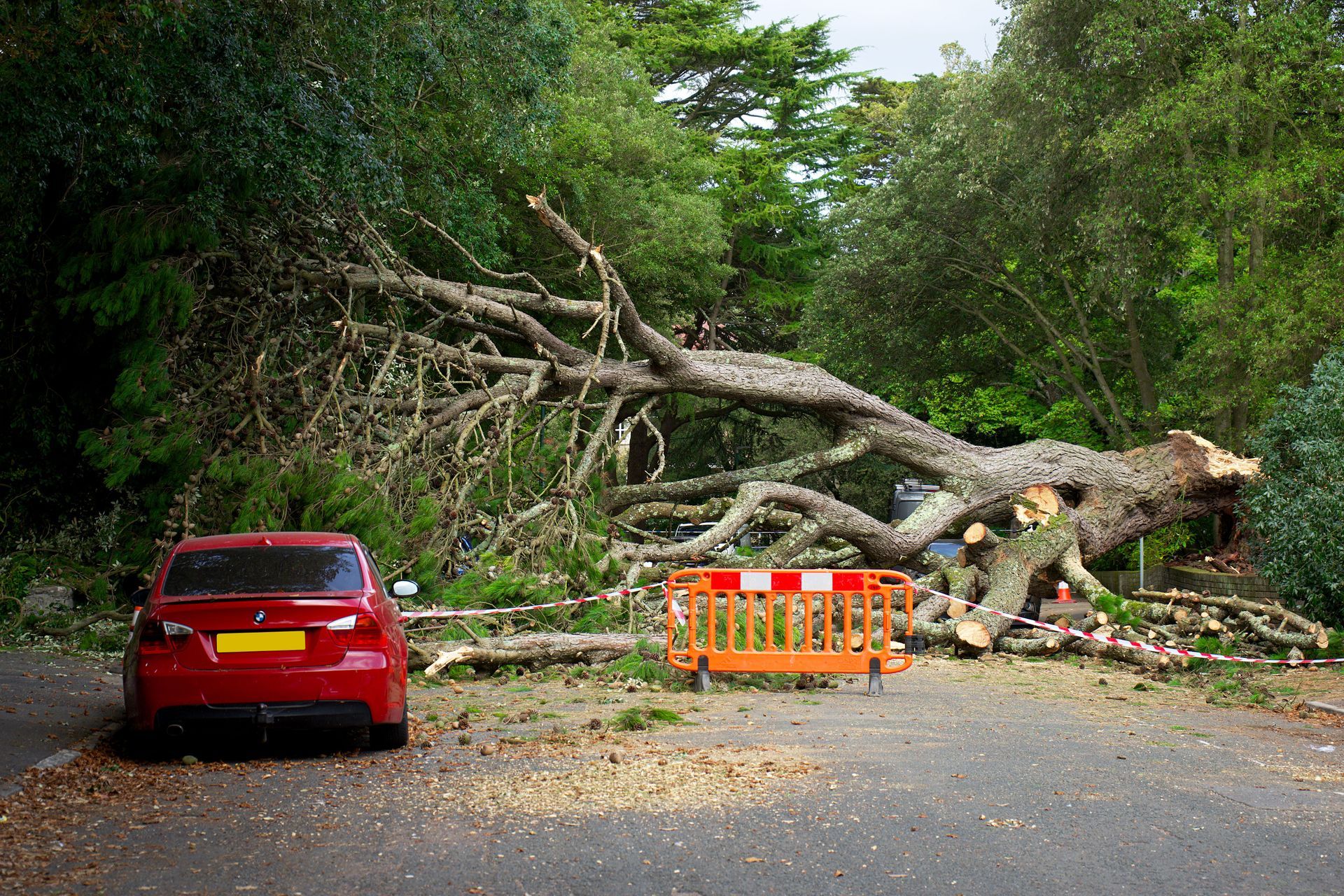
Ireland regularly experiences named storms between October and March, and Kildare's open landscape means gardens can be exposed to strong gusts. Trees with heavy, unbalanced crowns, split forks or existing decay are most at risk of losing limbs or failing completely. A pre-winter inspection followed by targeted thinning or reduction can dramatically lower that risk.
After a storm, it is important not to climb or cut damaged trees yourself. Hanging branches, known as hangers, and trees under tension can move suddenly and cause serious injury. Our team at MD Tree & Landscaping provides safe, insured tree surgery and tree removal for storm-damaged trees, clearing debris and making the area safe as quickly as possible.
Legal Points to Check Before Pruning
Most pruning of garden trees does not require permission, but there are exceptions. Some trees in Kildare are protected by Tree Preservation Orders, and properties within Architectural Conservation Areas may have additional restrictions. If you are unsure, Kildare County Council can confirm whether a tree is protected. Felling larger numbers of trees, particularly away from buildings, may also require a felling licence from the Department of Agriculture, Food and the Marine.
If a tree on a neighbour's property overhangs your boundary, you can generally cut back branches to the boundary line, but it is courteous and sensible to discuss it with them first. Cuttings technically belong to the tree owner, so agreeing on disposal in advance avoids disputes.
Why Use a Professional Tree Surgeon
Working at height with chainsaws is one of the most hazardous jobs in any garden. Professional tree surgeons use climbing harnesses, rigging systems and specialist equipment to lower branches under control, protecting your house, fences, glasshouses and plants. They also understand tree biology, which means each cut is made at the correct point to encourage healing rather than decay.
A reputable contractor will carry public liability insurance, tidy the site fully after the job, and chip or remove all green waste. Many homeowners also combine winter tree work with hedge trimming or general garden maintenance so the whole garden is ready for spring.
Book Your Winter Tree Pruning in Kildare
Winter pruning protects your trees, your property and your garden for the year ahead. Whether you have a single apple tree that needs shaping or a row of mature ash and sycamore that has become overgrown, careful dormant-season work makes a real difference. MD Tree & Landscaping has more than ten years of experience caring for trees across County Kildare and neighbouring counties. Contact our team today for a free, no-obligation quote and book your winter tree work before the busy spring season begins.
Recent Posts
Why Winter Is the Right Time to Prune Garden Trees
Once the leaves have fallen across County Kildare, most deciduous garden trees enter their dormant season. This period, which usually runs from late November through to the end of February, is the most effective window for structural pruning. With the canopy bare, a tree surgeon can see the full framework of branches, spot crossing or rubbing limbs, and identify deadwood that would be hidden behind foliage in summer. The result is a cleaner, more precise job that sets the tree up for healthy growth when spring arrives.
Dormant pruning also places far less stress on the tree. Sap flow is low, so cuts lose less moisture and the tree is not diverting energy away from leaf and fruit production. Many fungal diseases and insect pests are also inactive in cold weather, which lowers the risk of infection entering fresh wounds. For homeowners in Naas, Newbridge, Kildare Town and the surrounding villages, scheduling tree work in winter is one of the simplest ways to protect the long-term value of mature trees.
There is a practical benefit for the garden as well. Lawns, borders and flower beds are largely dormant, so access with ladders, ropes and chippers causes much less disruption than it would in the height of summer. Ground protection boards can be laid over soft grass, and any minor marks recover quickly once growth resumes.
Trees That Benefit Most From Winter Pruning
Most common Irish garden trees respond very well to pruning during dormancy. Apple and pear trees are classic examples, as winter pruning encourages strong fruiting spurs and an open centre that lets light and air reach the branches. Ash, beech, oak, sycamore, lime, hornbeam and alder can all be crown thinned, crown lifted or reduced in winter with good results.
A small number of species are better left until later in the year. Cherry, plum and other members of the Prunus family are vulnerable to silver leaf disease and bacterial canker, both of which spread most easily in cool, damp weather. These are best pruned in dry spells during mid-summer. Birch, walnut and maple tend to bleed heavily if cut in late winter as sap begins to rise, so light work on these is normally done in late summer or early autumn. Evergreen conifers such as Leyland cypress are generally trimmed between spring and late summer rather than in deep winter.
Signs a Tree Needs Attention
Not every tree needs pruning every year, but some signs are worth acting on. Dead or brittle branches, limbs overhanging the roof or gutters, branches touching overhead cables, and canopies blocking light from windows or the garden are all reasons to book an inspection. Cracks in the trunk, fungal brackets at the base, or a noticeable lean after a storm should be assessed promptly by a qualified tree surgeon, as these can indicate structural weakness.
Common Pruning Techniques Explained
Professional tree work is about far more than cutting branches back. Each technique has a specific purpose, and the right choice depends on the species, age and condition of the tree as well as what the homeowner wants to achieve.
Crown Thinning
Crown thinning removes a selection of smaller internal branches to reduce the density of the canopy. This allows more light into the garden, lowers wind resistance during winter storms and reduces the weight carried by major limbs. Done correctly, the tree keeps its natural shape and size while looking lighter and healthier.
Crown Lifting
Crown lifting removes the lowest branches to raise the height of the canopy. It is often used to create clearance over driveways, footpaths and lawns, or to let more light reach ground-floor windows. It is especially useful for trees beside public roads where clearance for vehicles is required.
Crown Reduction
Crown reduction lowers the overall height and spread of a tree by cutting branches back to suitable growth points. It is the correct alternative to topping, which leaves ugly stubs and encourages weak regrowth. Reduction is ideal for trees that have outgrown their space but are otherwise healthy.
Deadwooding
Removing dead, dying and diseased wood improves both the appearance and the safety of a tree. Dead branches can fall without warning, particularly in high winds, so deadwooding is one of the most important routine tasks for mature trees near houses, sheds, cars and play areas.
Storm Preparation for Irish Winters
Ireland regularly experiences named storms between October and March, and Kildare's open landscape means gardens can be exposed to strong gusts. Trees with heavy, unbalanced crowns, split forks or existing decay are most at risk of losing limbs or failing completely. A pre-winter inspection followed by targeted thinning or reduction can dramatically lower that risk.
After a storm, it is important not to climb or cut damaged trees yourself. Hanging branches, known as hangers, and trees under tension can move suddenly and cause serious injury. Our team at MD Tree & Landscaping provides safe, insured tree surgery and tree removal for storm-damaged trees, clearing debris and making the area safe as quickly as possible.
Legal Points to Check Before Pruning
Most pruning of garden trees does not require permission, but there are exceptions. Some trees in Kildare are protected by Tree Preservation Orders, and properties within Architectural Conservation Areas may have additional restrictions. If you are unsure, Kildare County Council can confirm whether a tree is protected. Felling larger numbers of trees, particularly away from buildings, may also require a felling licence from the Department of Agriculture, Food and the Marine.
If a tree on a neighbour's property overhangs your boundary, you can generally cut back branches to the boundary line, but it is courteous and sensible to discuss it with them first. Cuttings technically belong to the tree owner, so agreeing on disposal in advance avoids disputes.
Why Use a Professional Tree Surgeon
Working at height with chainsaws is one of the most hazardous jobs in any garden. Professional tree surgeons use climbing harnesses, rigging systems and specialist equipment to lower branches under control, protecting your house, fences, glasshouses and plants. They also understand tree biology, which means each cut is made at the correct point to encourage healing rather than decay.
A reputable contractor will carry public liability insurance, tidy the site fully after the job, and chip or remove all green waste. Many homeowners also combine winter tree work with hedge trimming or general garden maintenance so the whole garden is ready for spring.
Book Your Winter Tree Pruning in Kildare
Winter pruning protects your trees, your property and your garden for the year ahead. Whether you have a single apple tree that needs shaping or a row of mature ash and sycamore that has become overgrown, careful dormant-season work makes a real difference. MD Tree & Landscaping has more than ten years of experience caring for trees across County Kildare and neighbouring counties. Contact our team today for a free, no-obligation quote and book your winter tree work before the busy spring season begins.